
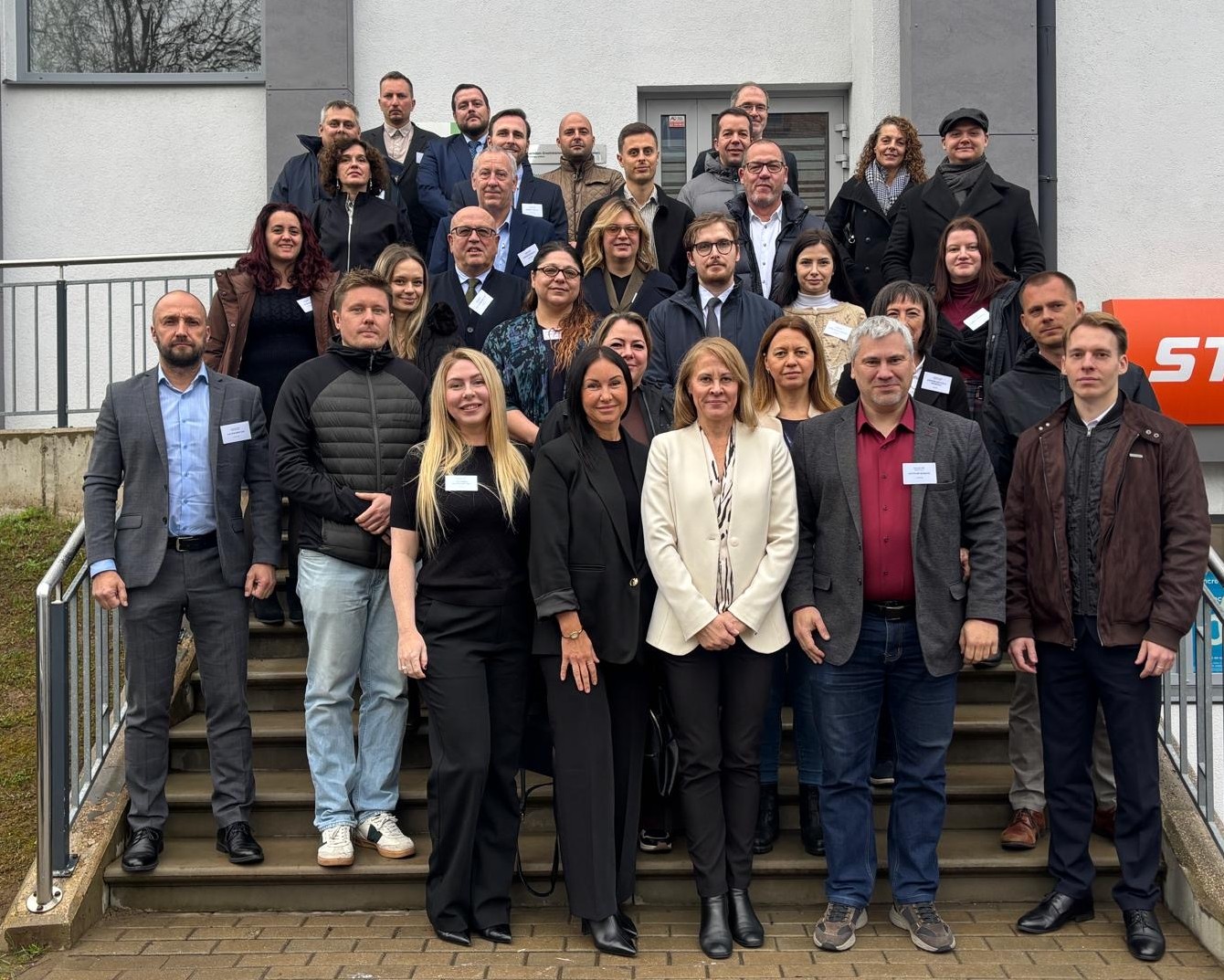
Workshop participants shared practical experience on preventing sanctions circumvention and visited the Terehova Customs Control Point.
On 3-4 November 2026, customs officials from 21 EU Member States gathered in Rēzekne, Latvia, for a workshop organised by the National Customs Board of the State Revenue Service (SRS) of the Republic of Latvia under the European Union Customs Alliance for Borders (EUCAB). They discussed how to enforce EU restrictive measures against Russia and Belarus and how to strengthen customs authorities’ ability to identify and prevent sanctions circumvention.
Participants agreed that regular dialogue is essential for understanding shared challenges and particular environments, from inland and airport customs control points to land border crossing points.
Latvian customs on the front line
Latvia’s location and transport infrastructure give its customs authorities a major role in monitoring the movement of goods between the EU and countries to the east. Officials from the SRS, the Ministry of Foreign Affairs and the Financial Intelligence Unit presented practical examples of how EU sanctions are implemented, and experts contributed to the group sessions.
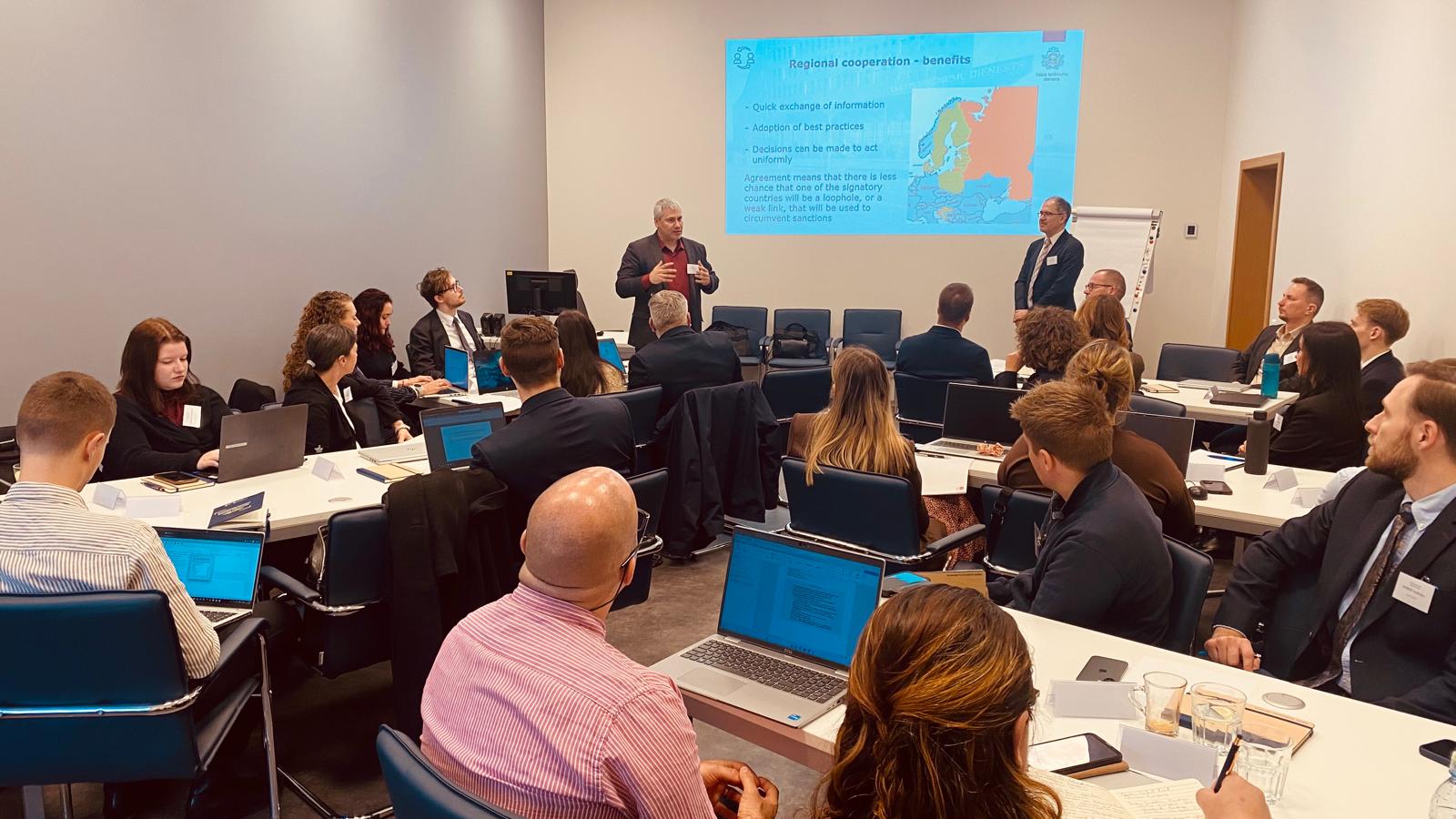
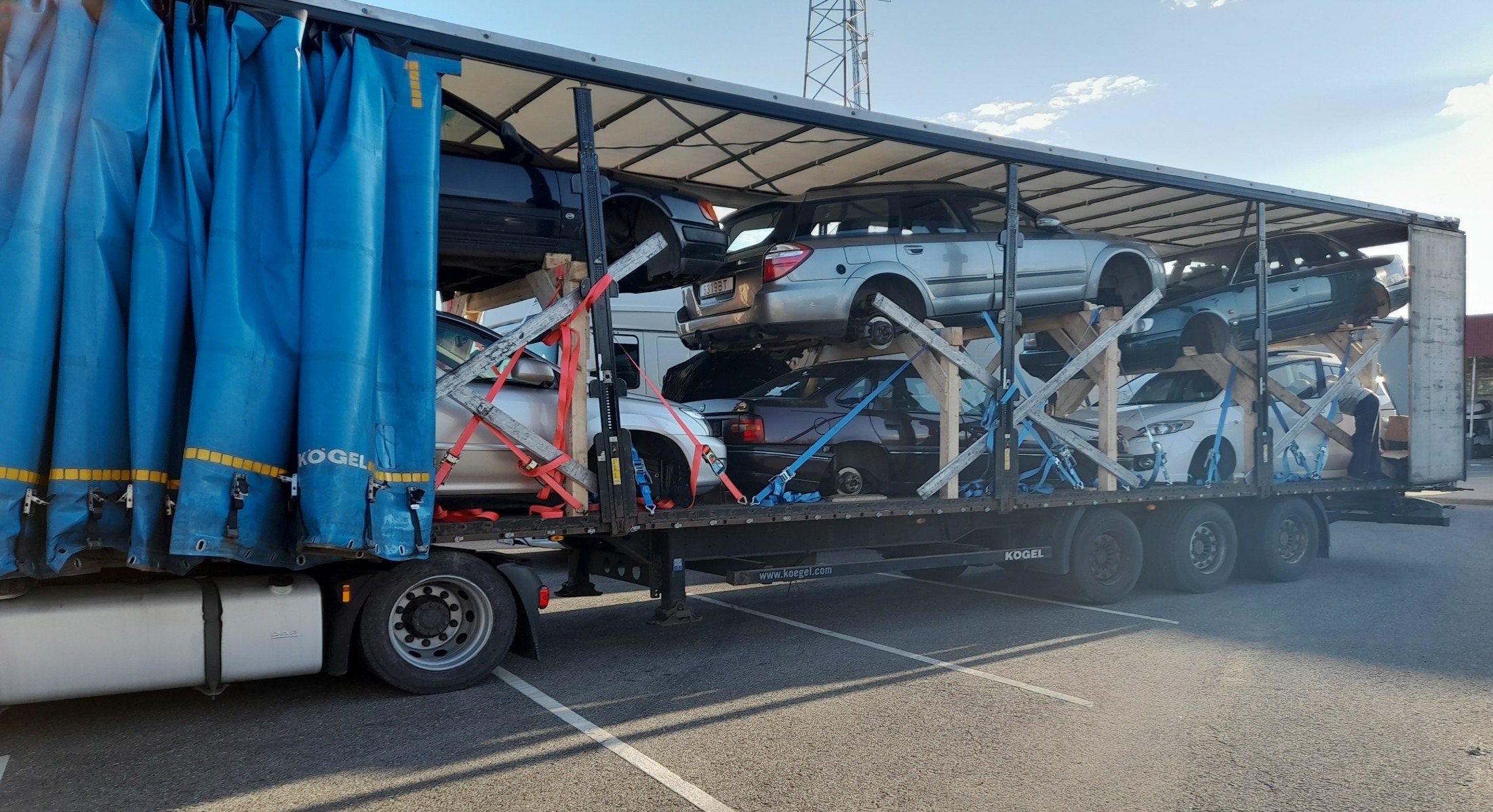
In the first nine months of 2026, the SRS National Customs Board refused to allow customs procedures for 509 consignments. Of these, 441 were goods subject to sanctions that were stopped from leaving the EU, and 68 were consignments that were stopped from entering Latvia from Russia and Belarus. Since 2022, Latvian customs has prevented more than 10,000 consignments of sanctioned goods from crossing the EU’s external border.
“We know what to look for, where to look, how to recognise risks and what action to take to prevent goods subject to sanctions from crossing the border,” said Inta Kovaļevska, Deputy Director of the SRS National Customs Board. She insisted that joint work achieves way more than individual efforts, building on accumulated practical experience to establish a coordinated approach to sanctions controls.
Learning from real cases
In practical group sessions, participants examined real cases involving customs inspections of consignments subject to sanctions and looked for ways to improve controls.
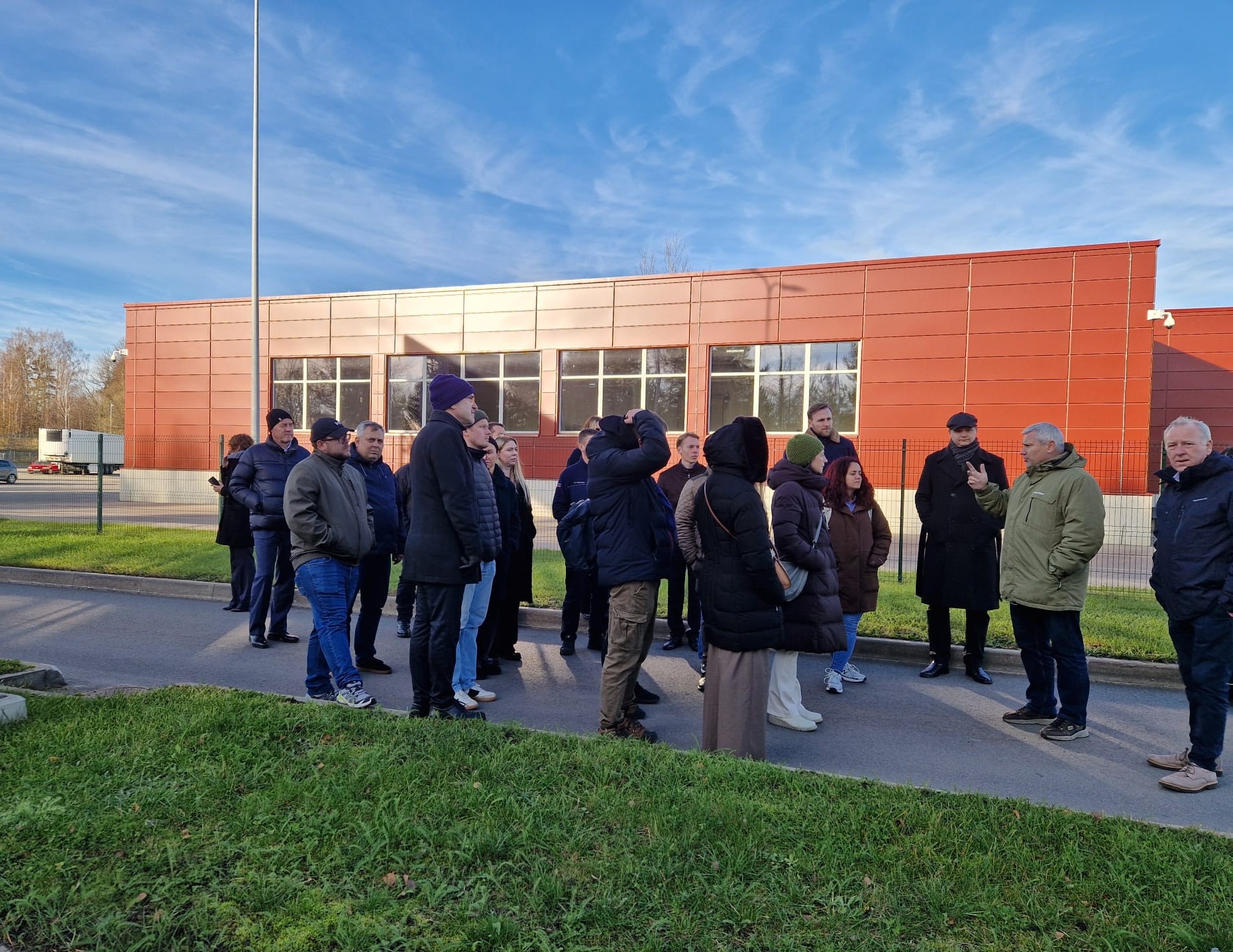
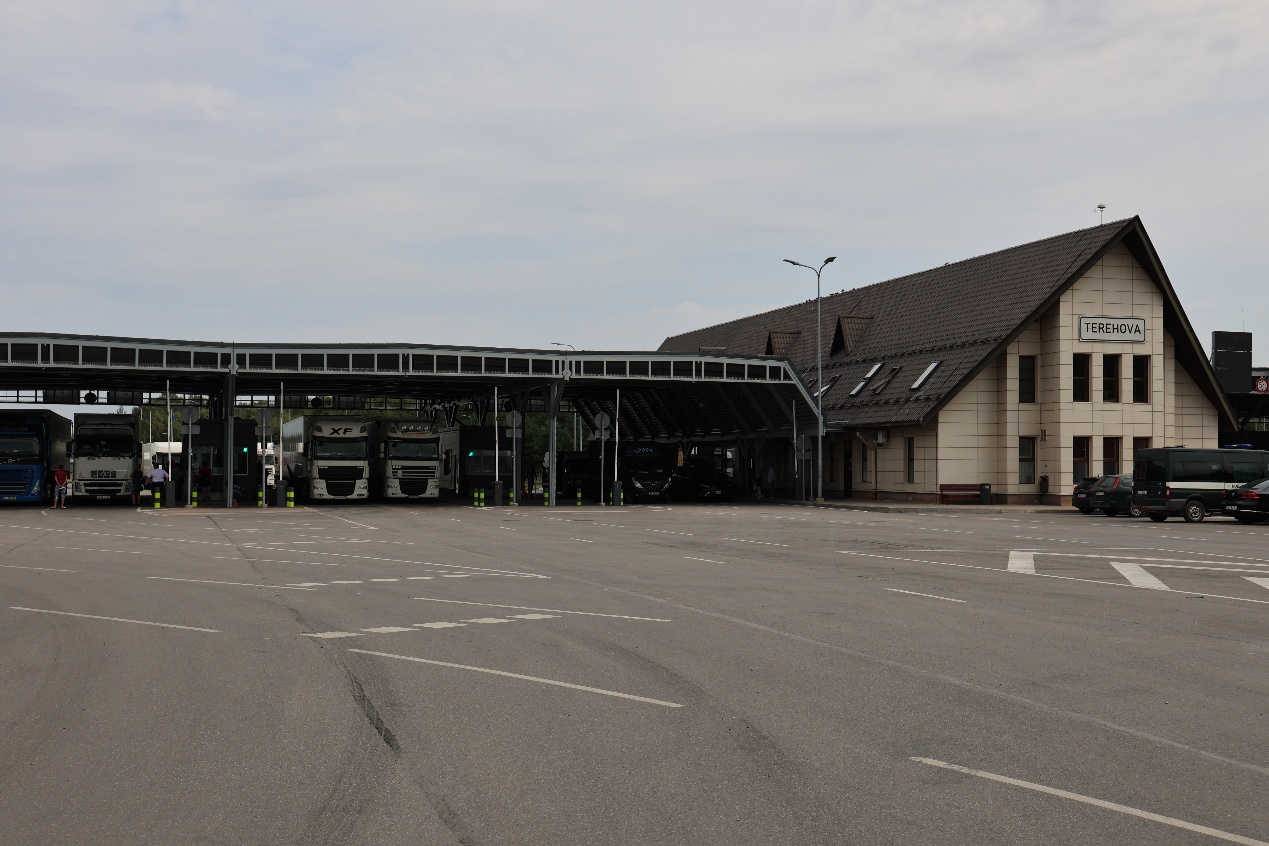
The group then visited the Terehova Customs Control Point on the Latvian-Russian border, where they saw how checks are carried out in practice. Border crossing points on the EU’s eastern border play a key role in protecting EU security and implementing sanctions policy, and decisions taken at the point of departure affect how effective enforcement is across the entire EU customs territory.
“Act as one”: a common EU approach
The plenary session, “Act as One – Harmonised Sanctions Controls Across the European Union,” focused on cooperation between Member States. By sharing examples of good practice, participants strengthened their ability to guard the EU’s external border against emerging threats. They agreed to pass on what they learned to colleagues at home to support a unified, EU-wide approach to sanctions controls.
“Seeing how colleagues in different countries work and handle specific cases is priceless,” said Robert Karaba, Analyst of the Financial Directorate of the Slovak Republic.
Lt. Ádám László Juhász, Customs Administration Specialist from Hungary, added: “Even though there are more than 1,000 km between us, we share similar challenges.”
Key facts
- Results in Latvia, January-September 2026: 509 consignments stopped (441 exports from the EU and 68 imports from Russia and Belarus)
- Since 2022: more than 10,000 consignments of sanctioned goods prevented from crossing the EU’s external border
EUCAB thanks the National Customs Board of the State Revenue Service of the Republic of Latvia for the organization and the hosting of the workshop on customs sanctions enforcement.