
European cooperation is key to strengthening professional expertise. The National Customs Board of the State Revenue Service of the Republic of Latvia hosted two EUCAB-supported training initiatives focused on rail freight controls and on developing practical control skills through knowledge sharing.
Act 1: Strengthening Rail Freight Controls Through International Cooperation
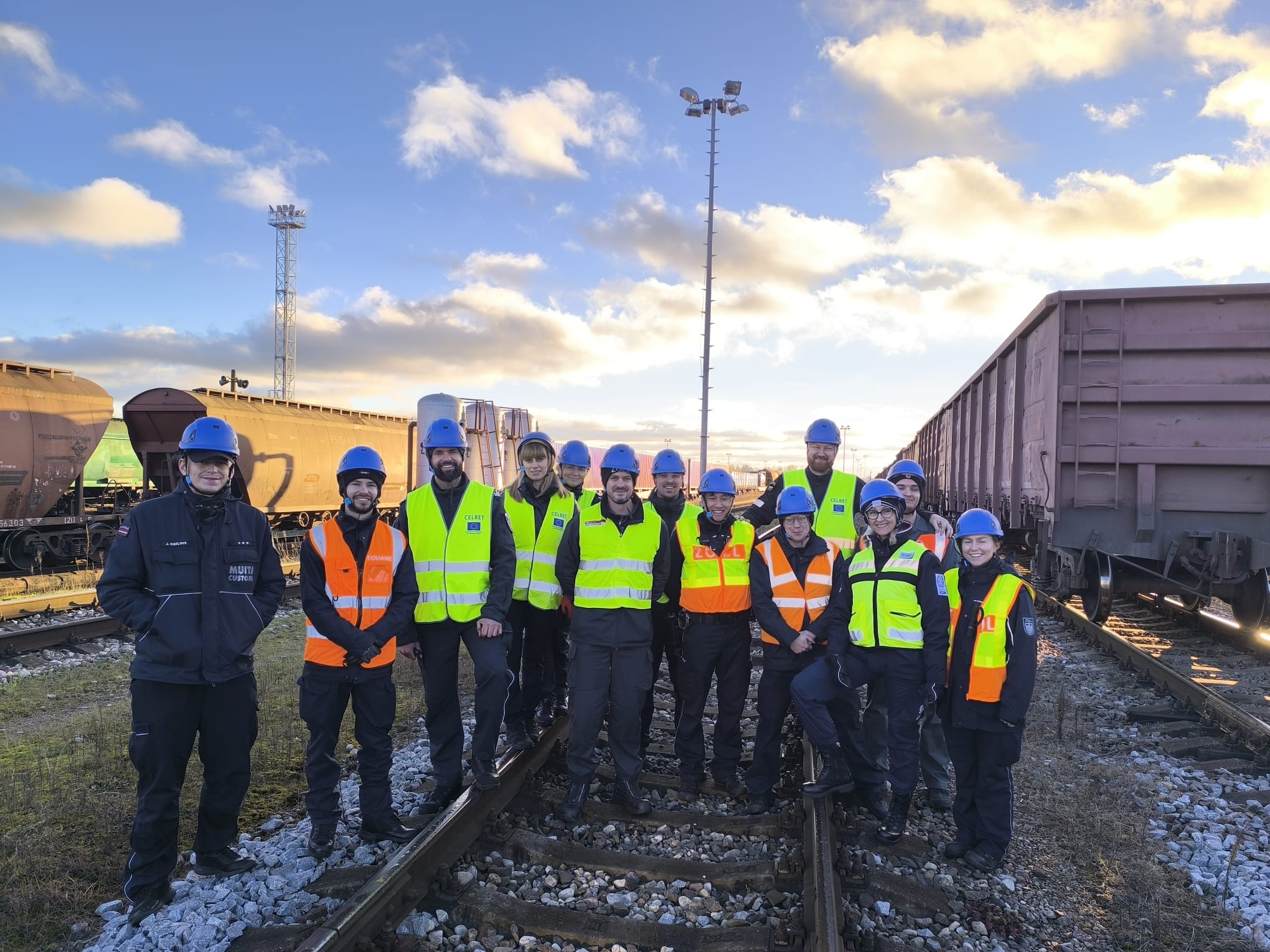
From 2 to 4 November 2026, the National Customs Board of the State Revenue Service of the Republic of Latvia hosted an international training programme for 12 customs officials from EU Member States and candidate countries in the Freight Train Inspection Centre of Excellence in Daugavpils, Latvia.
Led by experienced customs experts from Latvia and Lithuania, the training strengthened participants’ skills in risk identification, smuggling detection and the effective inspection of rail freight.
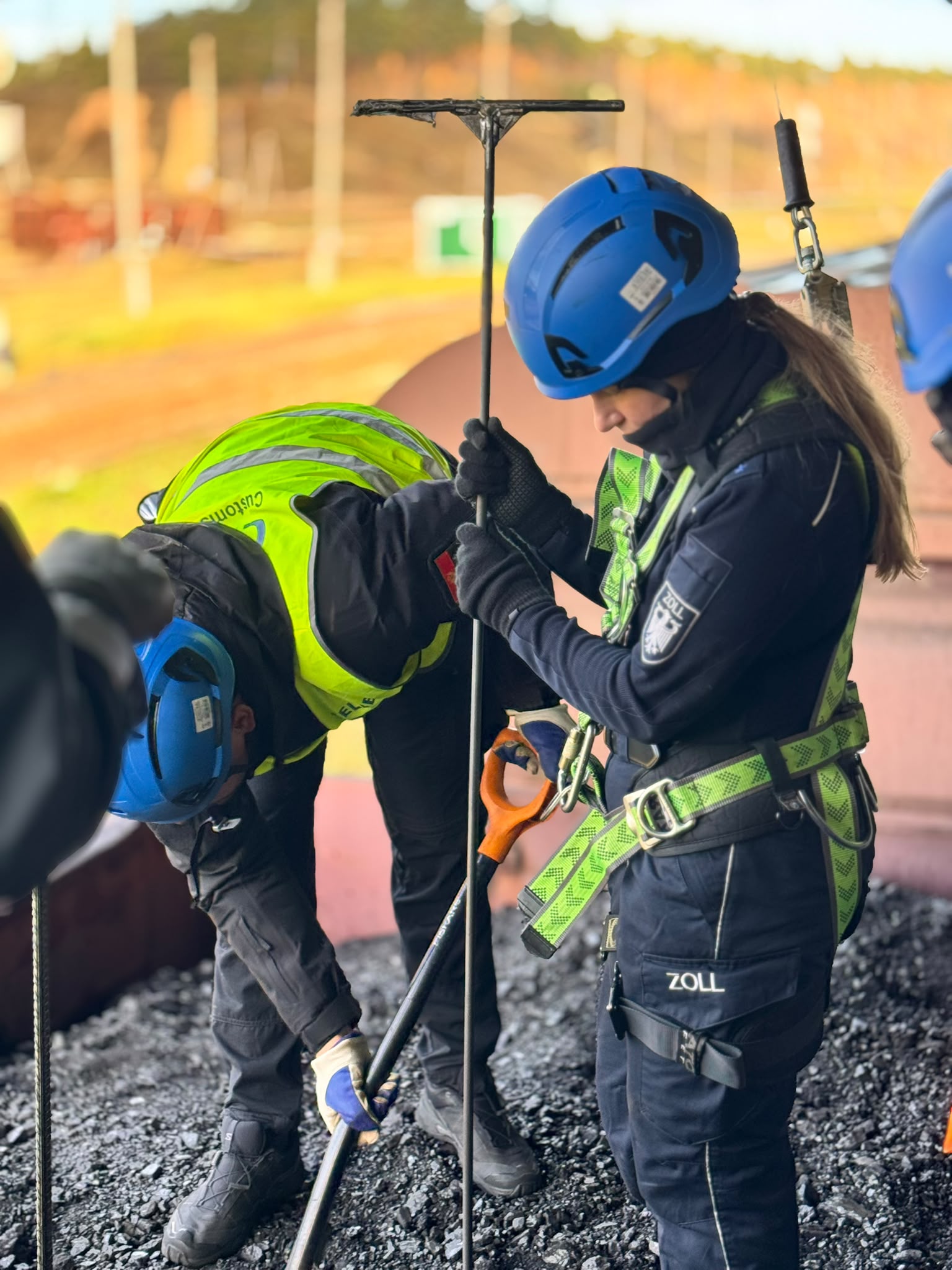
Through practical exercises, X-ray image analysis, real-life case studies and on-site inspections of locomotives and freight wagons, participants exchanged expertise, compared national control practices and learned about methods used to conceal prohibited goods in railway structures and cargo. A practical inspection of a railway tank wagon showed the value of combining technical knowledge, professional judgement and hands-on experience.
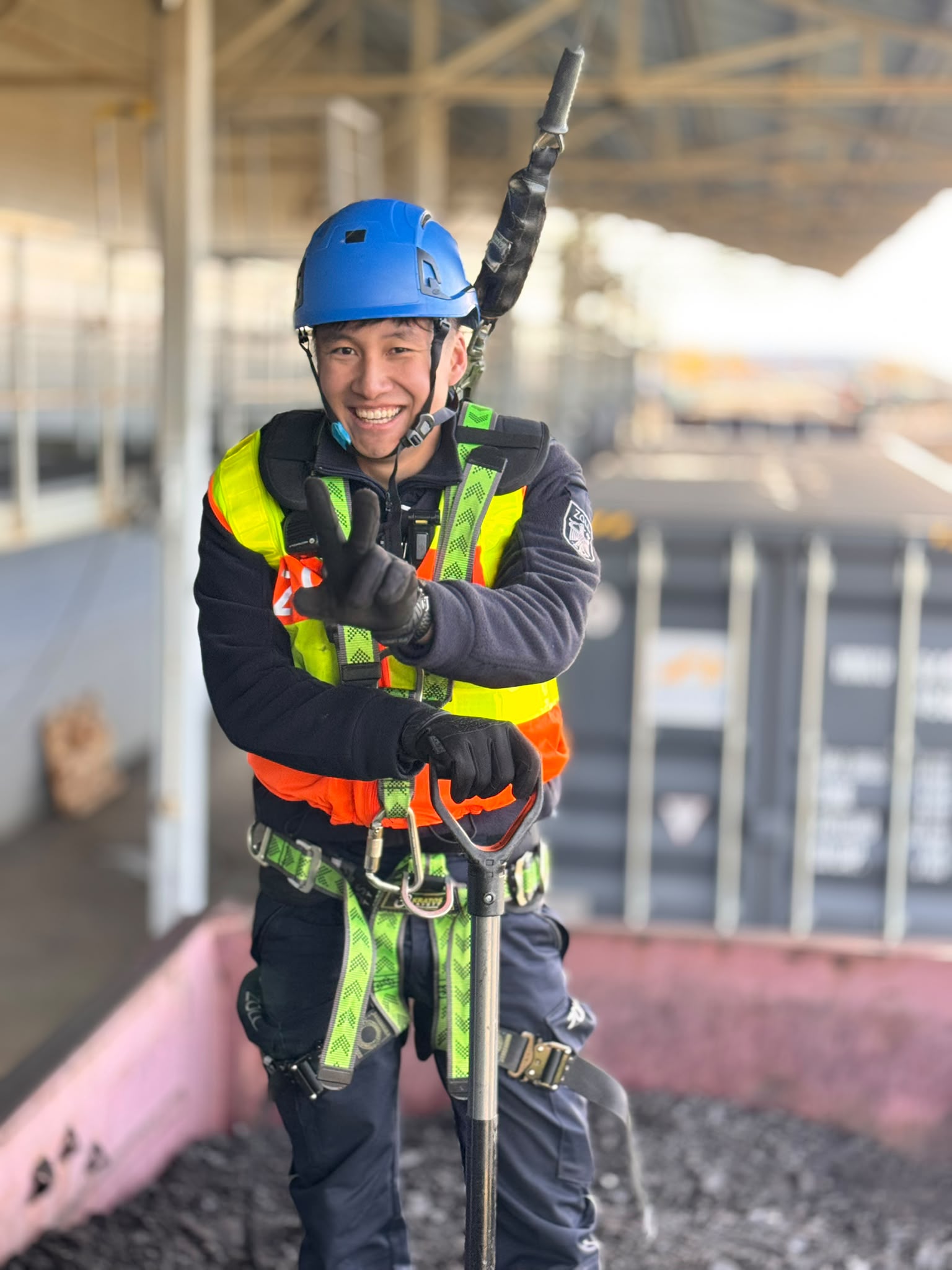
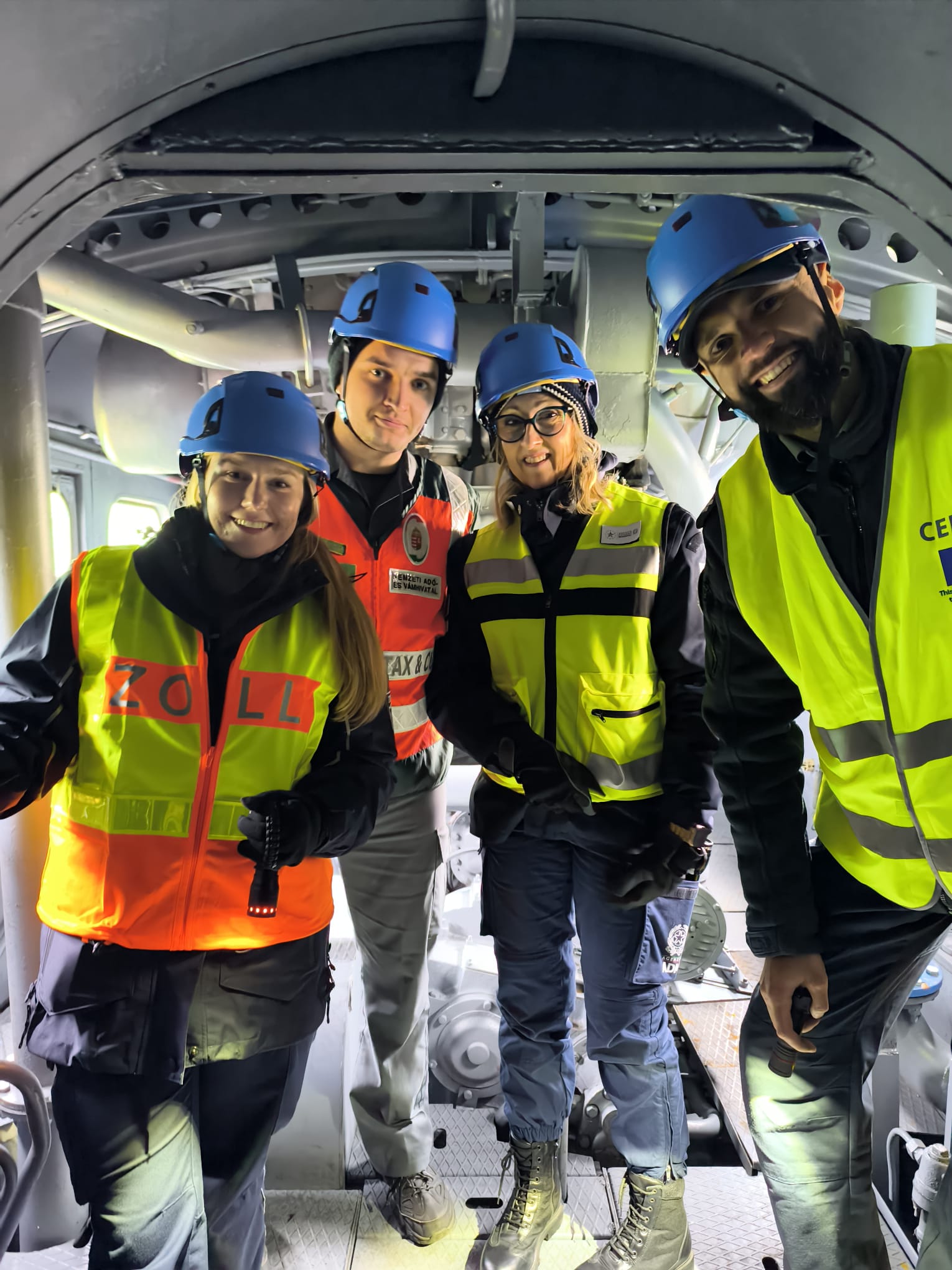
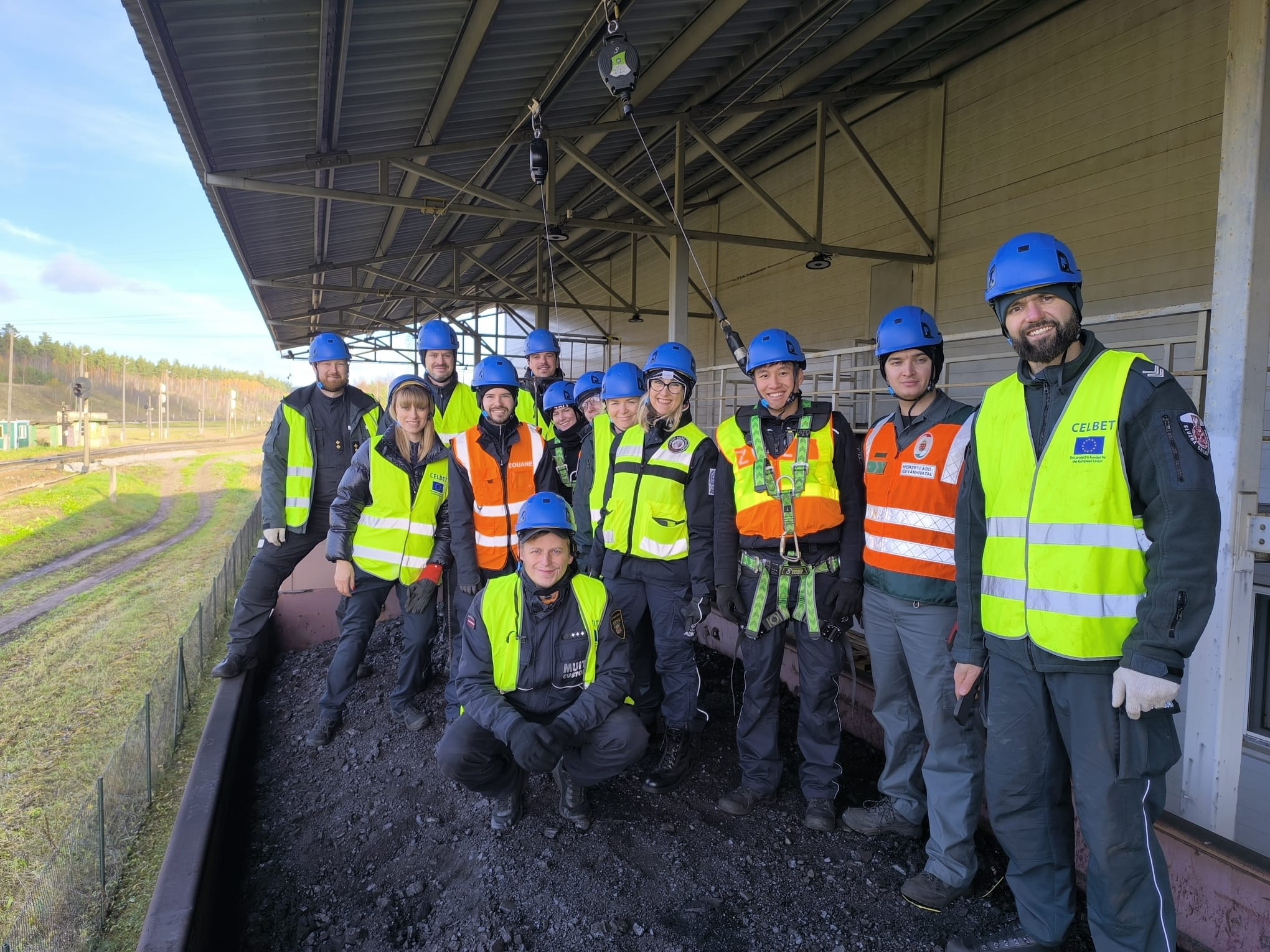
The collaborative atmosphere of the course provides a solid basis for participants to keep exchanging updates on developments in rail freight inspection. Beyond building individual competencies, the training contributed to a broader European effort to address evolving smuggling methods, strengthen cooperation between customs administrations and ensure consistent controls at the EU’s external borders.
Act 2: Customs Officers Enhance Their Control Skills under the Guidance of Hungarian and Latvian experts
From 10 to 12 November 2026, Latvia hosted another EUCAB-supported training, focused on developing the practical control skills of Latvian officials, with two Hungarian experts and a Latvian expert sharing their knowledge and experience at the Pāternieki Customs Control Point.
“Our aim was to demonstrate that effective border control is based not only on knowledge of procedures or vehicle inspection skills. During the training, we also worked with participants to also develop their mental preparedness, observation skills and motivation. It is precisely the combination of these elements that makes customs control more effective.” emphasises Zsolt Kovacs from the Hungarian Customs Control Skills Development Centre of Excellence.
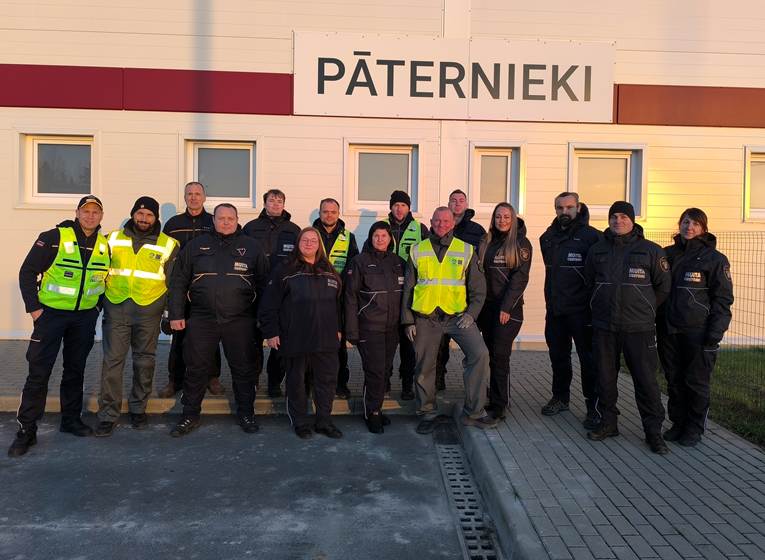
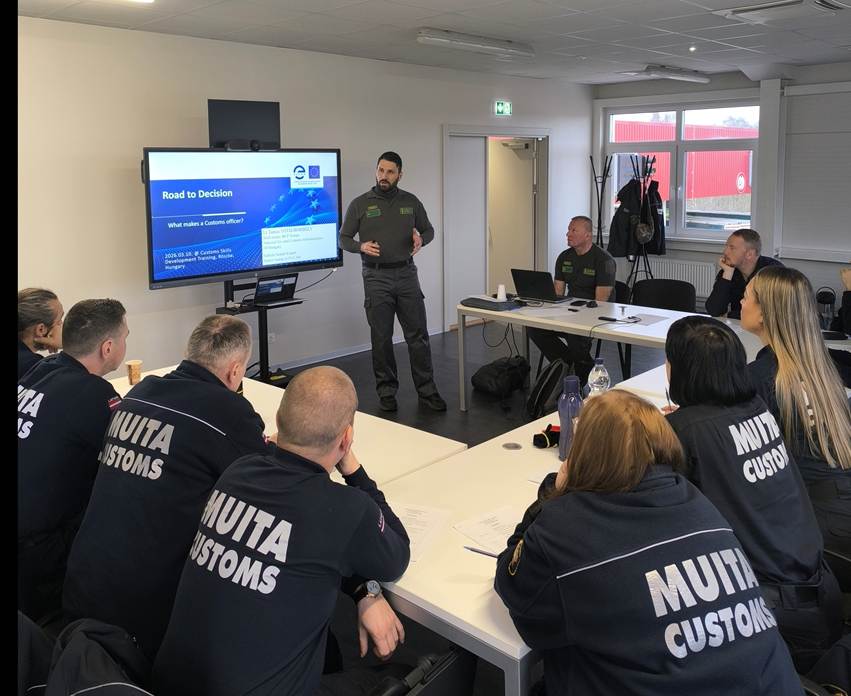
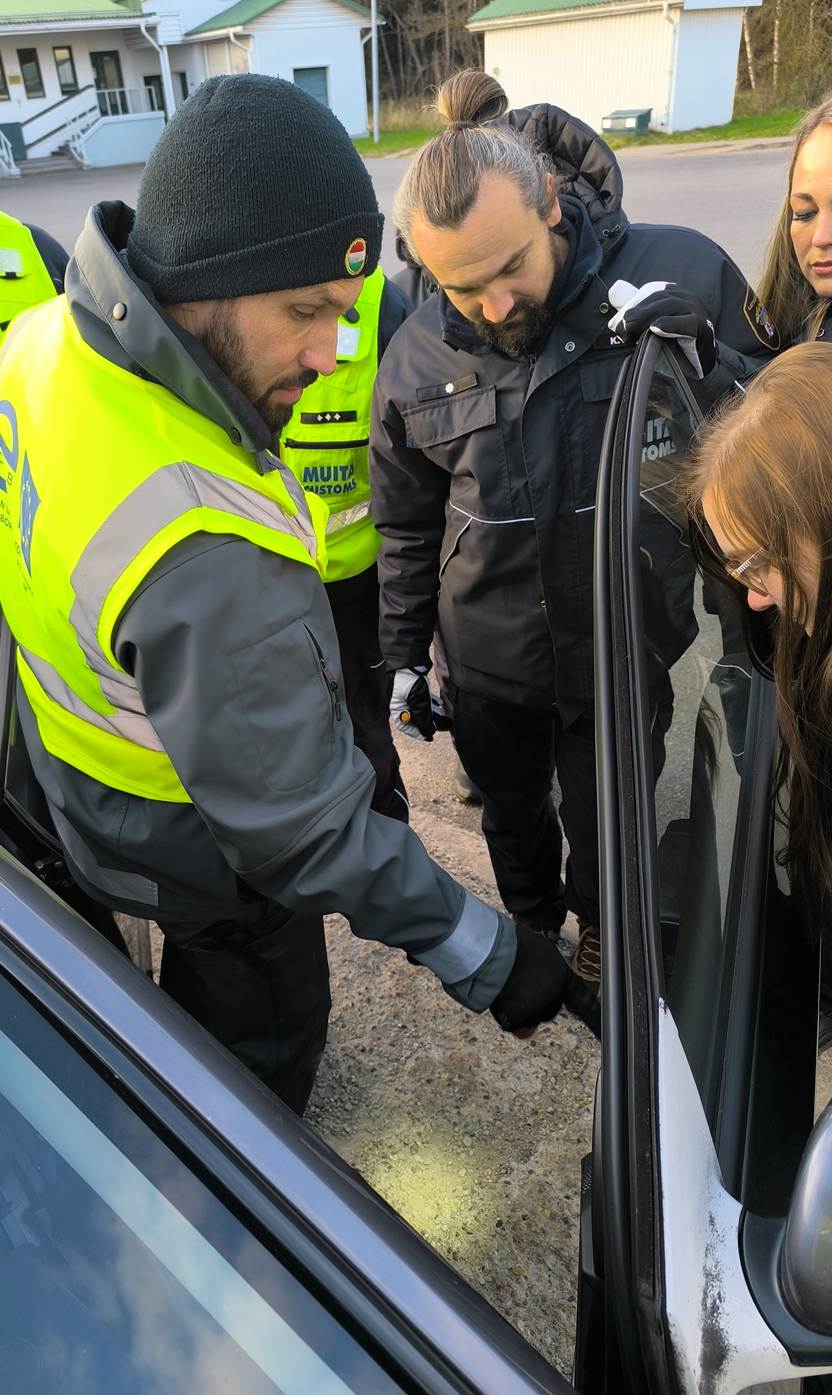
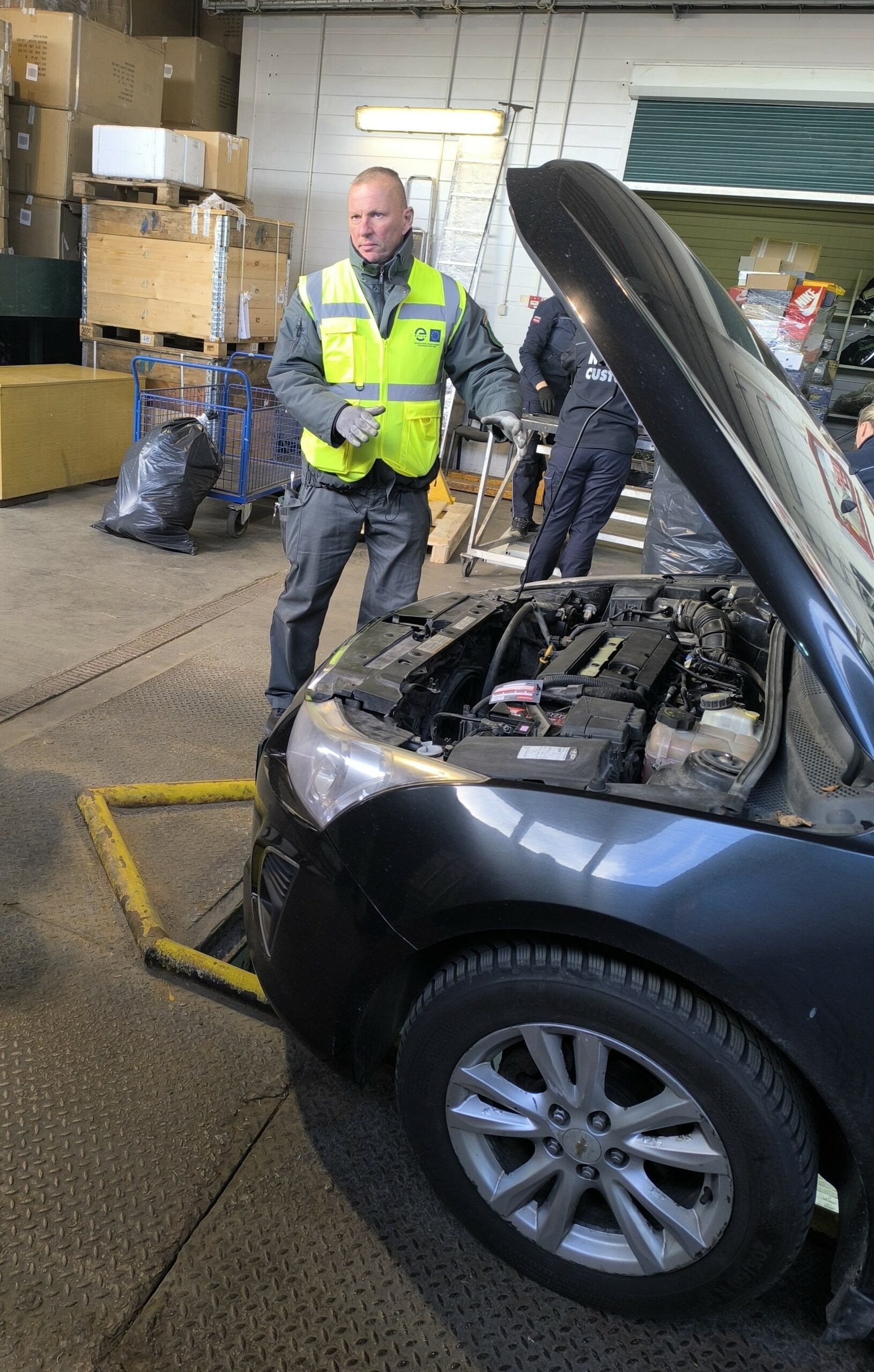
The three-day course brought together 12 Latvian customs officials, eager to strengthen their skills in vehicle inspections, risk identification and the detection of concealed prohibited goods through practical exercises.
From professional development to safer EU borders
Training initiatives contribute not only to the professional development of customs officers but also to broader efforts to combat smuggling and cross-border crime, safeguard national and EU security, protect external borders and ensure effective customs control across Europe.
By facilitating the exchange of expertise and supporting common approaches to customs enforcement, EUCAB advances its mission of strengthening cooperation among European customs authorities and enhancing the EU’s collective capacity to protect its borders and security.
Many thanks to the National Customs Board of the State Revenue Service of the Republic of Latvia for hosting the two training programmes.