
Customs risks do not stop at fixed border crossing points – and neither does customs control.
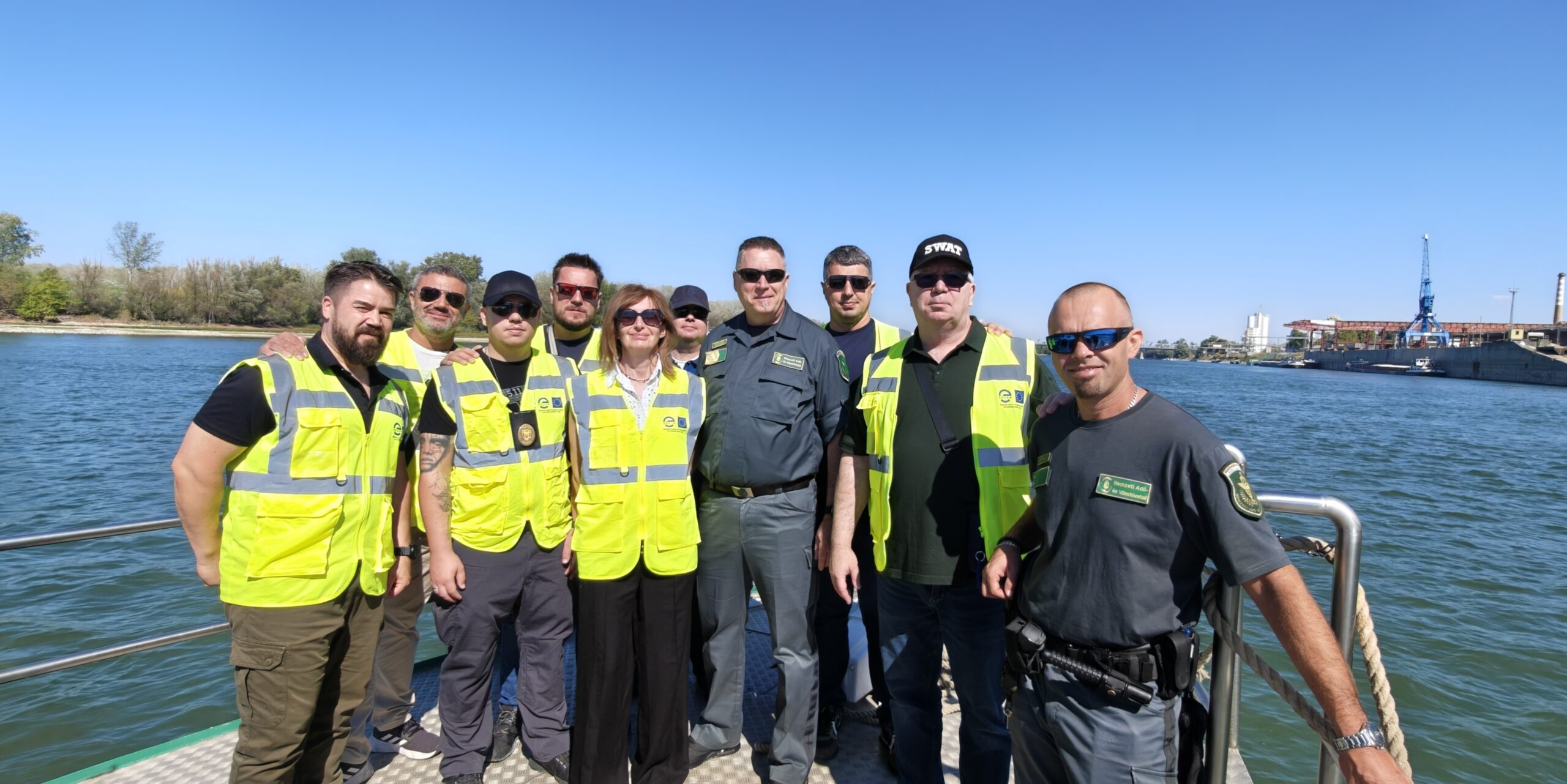
From 15 to 17 September 2026, during a visit to Hungary 🇭🇺, experts from the EUCAB Customs Mobile Groups (CMG) Unit observed two distinct dimensions of mobile customs enforcement: Hungarian Customs’ control activities on the Danube and the work of mobile customs teams on the road.
The visit demonstrated the versatility and operational importance of mobile customs controls. Although inland waterways and road transport routes are very different working environments, both require the ability to deploy quickly, assess situations in real time and respond to changing risks, routes and smuggling methods.
🛣️🚘 Mobile customs groups are not simply another transport-mode-specific control function. They provide a cross-functional operational capability that complements controls at ports, airports, land borders and inland locations. They can operate between and beyond fixed control points, including situations in which goods change routes, vehicles or modes of transport in an attempt to avoid detection.
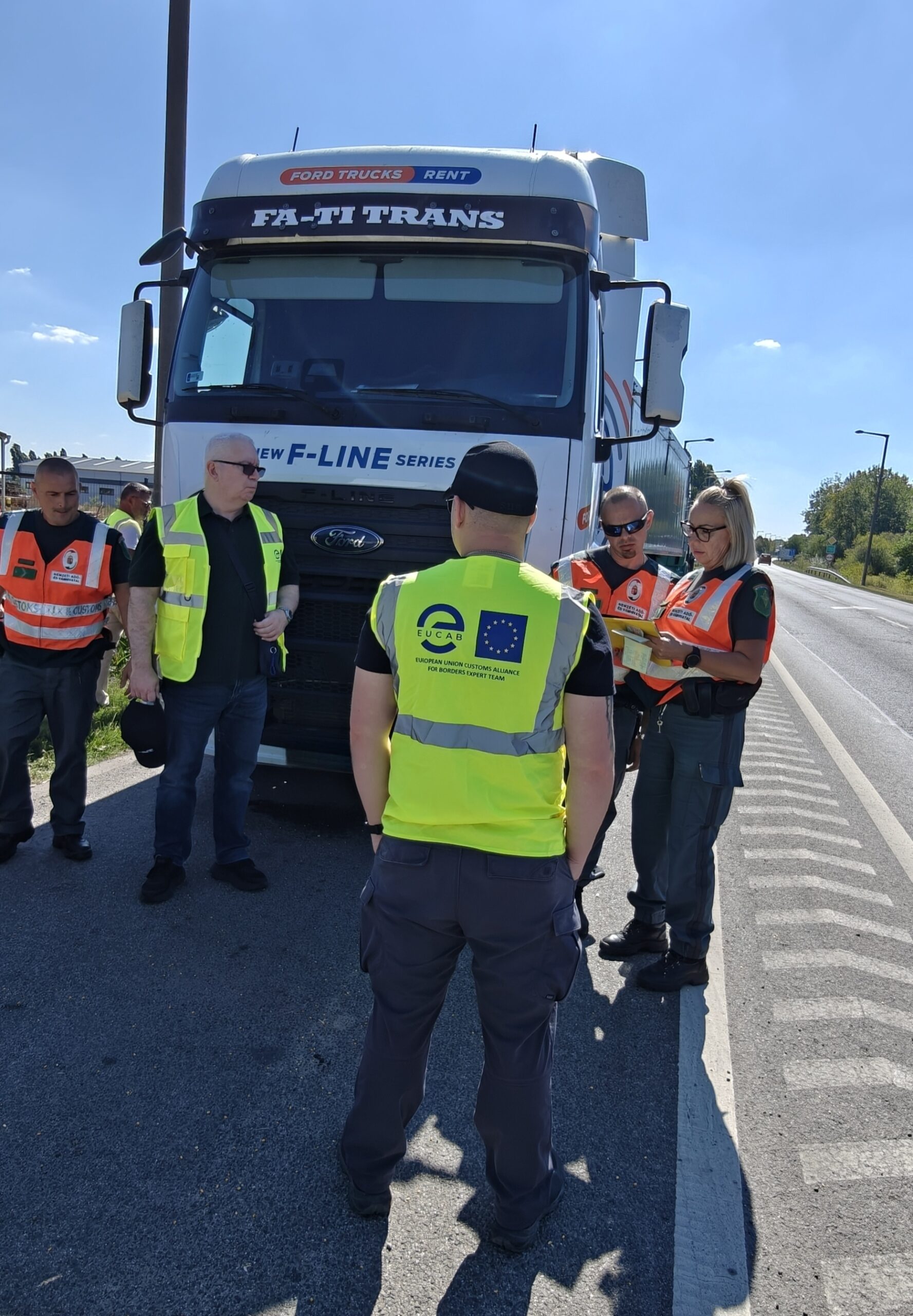
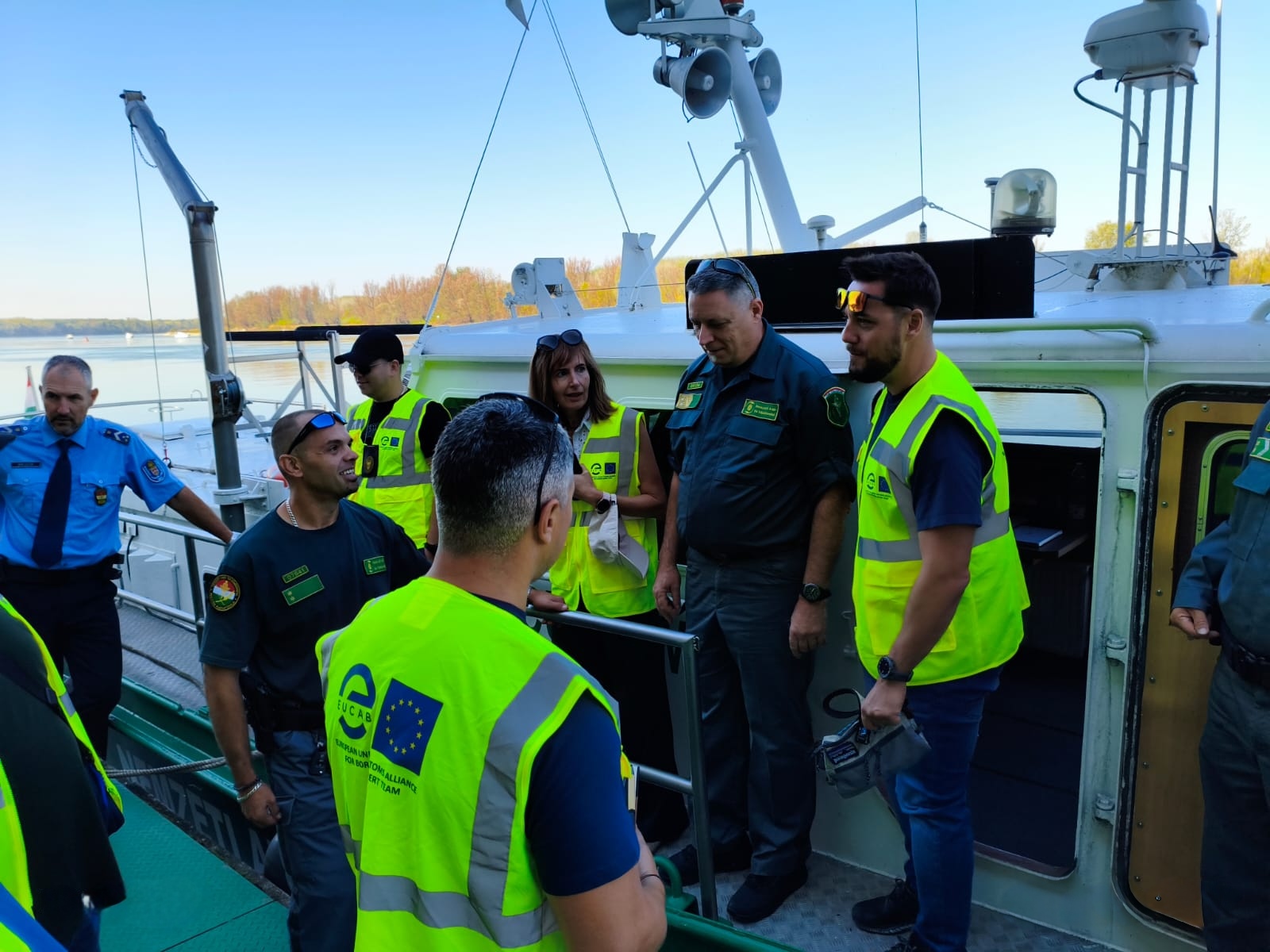
This is the particular purpose of the EUCAB Customs Mobile Groups Unit. By bringing together mobile customs practitioners from across the EU, the Unit enables Member States to exchange operational experience, identify shared challenges and develop practical responses.
🖧 Through its expert network, diagnostic activities and practitioner-led cooperation, national experience can be transformed into shared risk indicators, practical control guidance, identified training and equipment needs, and knowledge that benefits customs administrations across the Union. 🇪🇺 By connecting expertise across borders and control environments, the CMG Unit contributes to a more agile, coherent and resilient European customs control system.
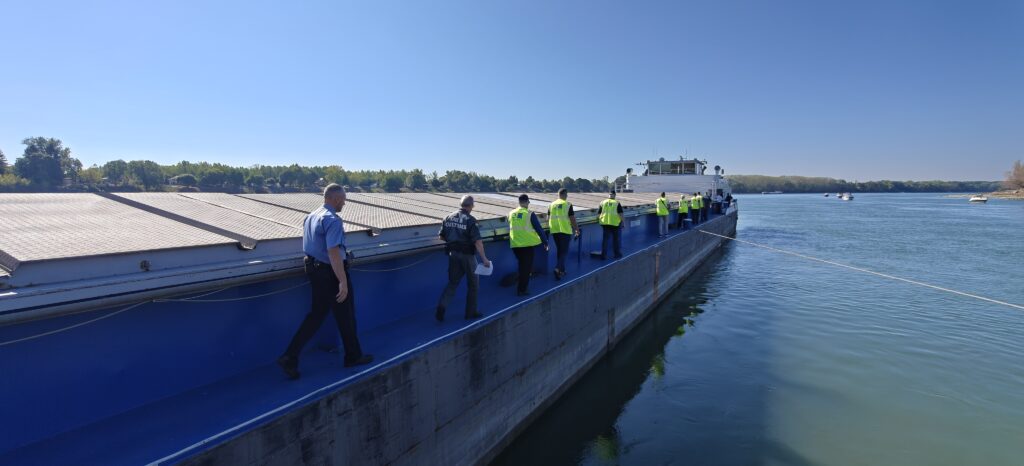
EUCAB thanks Hungarian Customs for their excellent cooperation and hospitality, as well as all the customs units and colleagues who contributed to the visit.
Source: LinkedIn