

Mapping and analysing the practices and performance at border-crossing points is a key approach towards strenghtening operational resilience of EU customs administrations.
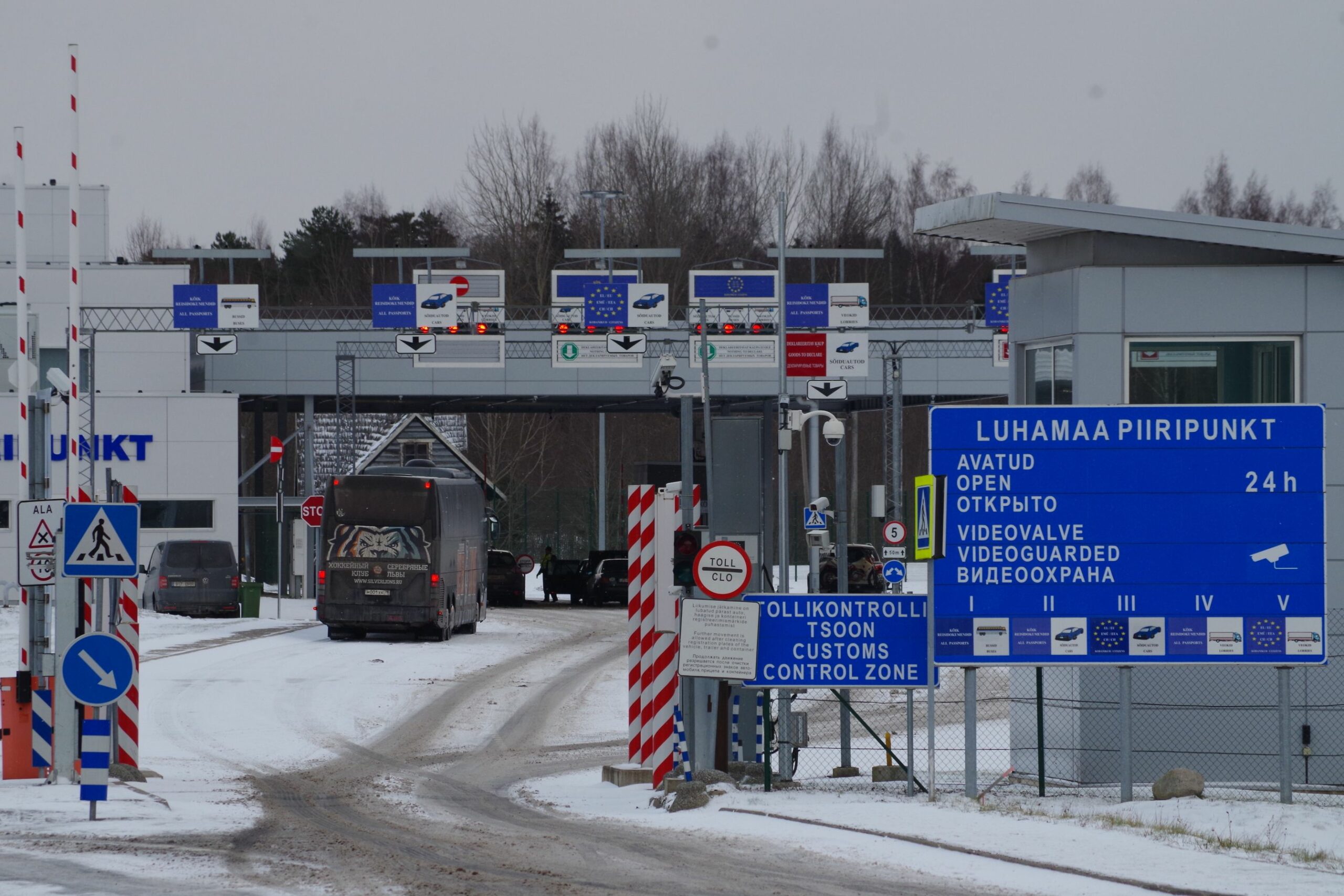
As part of this work, a EUCAB BCP diagnostic study was conducted from the 14th to the 16th of September 2025, in Estonia, at the Koidula and Luhamaa border-crossing points, which are located on the border between Estonia and Russia and form part of the European Union’s external border.
Two BCPs operating under significant geopolitical pressure
The daily work at Koidula and Luhamaa demands a high level of coordination, risk-based controls, and the ability to function reliably even when traffic volumes fluctuate or circumstances at the external border change rapidly. There is currently no operational customs-to-customs communication with Russian authorities, reflecting the European Union’s solidarity with Ukraine.
An overall positive assessment
The EUCAB expert team reviewed operations at Koidula and Luhamaa very positively, highlighting the quality of customs controls, the maturity of risk analysis and risk management, and the professionalism demonstrated across operational processes. Experts also provided constructive recommendations to further support smooth traffic flow, strengthen risk-based controls, and encourage continued digital and infrastructural development at both locations.
Joint diagnostic activities under EUCAB framework contribute to strengthening the operational resilience of the EU customs network as a whole, while also supporting harmonised and secure border-crossing processes across the European Union.
EUCAB thanks the Estonian customs for hosting the BCP Diagnostic study at the Koidula and Luhamaa border-crossing points.
#BorderSecurity #CustomsCooperation #Training #BCPDiagnostics #BorderSecurity #JointControls #RiskManagement