
Gaining insight, building relationships, identifying good practices and learning from each other’s experiences… Site visits are a first-hand tool towards developing relevant operational EU customs cooperation and transformation. The Maritime Unit launched a European ports visits tour, invited last November and December to ports with different challenges.
First stop – the port of Malmö-Helsingborg in Sweden, along the waters of the Sound, one of the busiest sea-lanes in the world (Öresond in Swedish, Øresund in Danish):
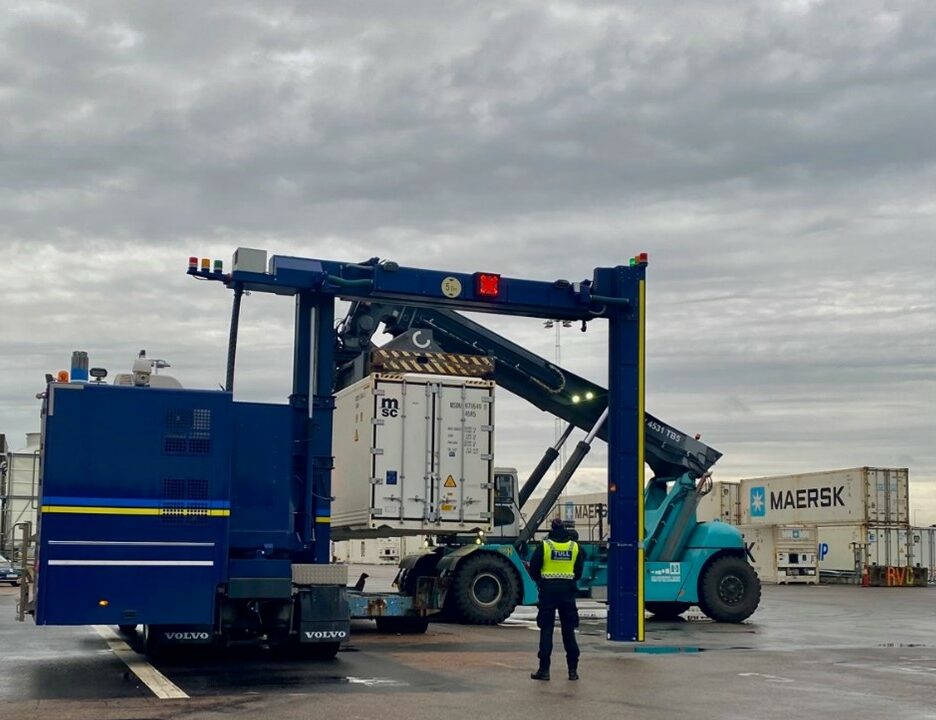
It was rather cold and rainy when EUCAB experts from the Maritime Unit visited the local headquarters of Swedish Customs in Malmö in November. However, the discussions were warm, open and intensive, in particular on:
➡️ the use of all kinds of control tools in a maritime environment, such as different scanning equipment, sniffer dogs, and drones;
➡️ the relationship with terminal operators, shipping lines and the local municipality, with a focus on the way to further strengthen risk management;
➡️ the need of improved port security to face increasing threats from organised crime groups and drug traffickers.
In Sweden, EUCAB’s experts also visited the port of Helsingborg: the national second-largest container port, also well-known as a ferries route with Denmark.

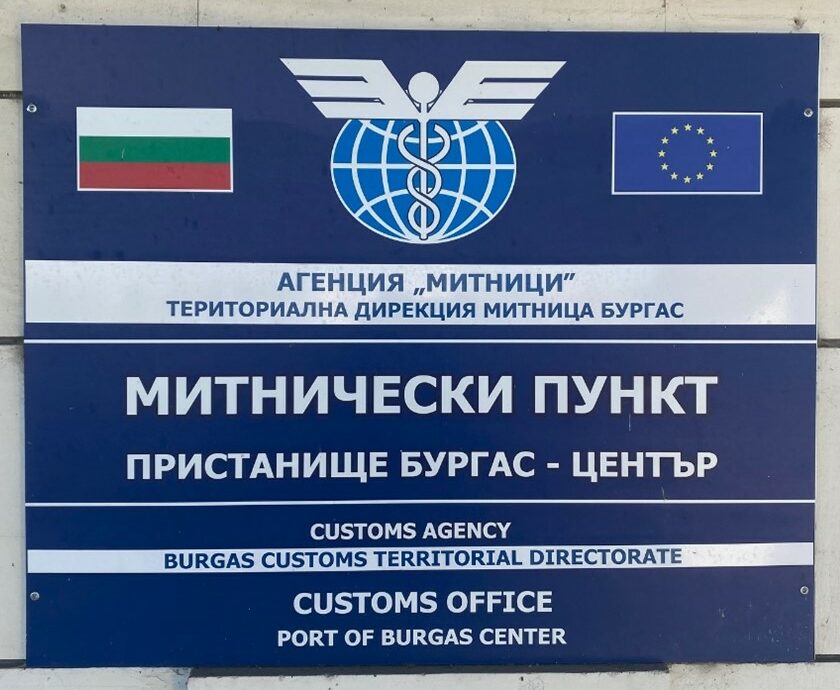
Second stop – the port of Burgas in Bulgaria, at the Black Sea:
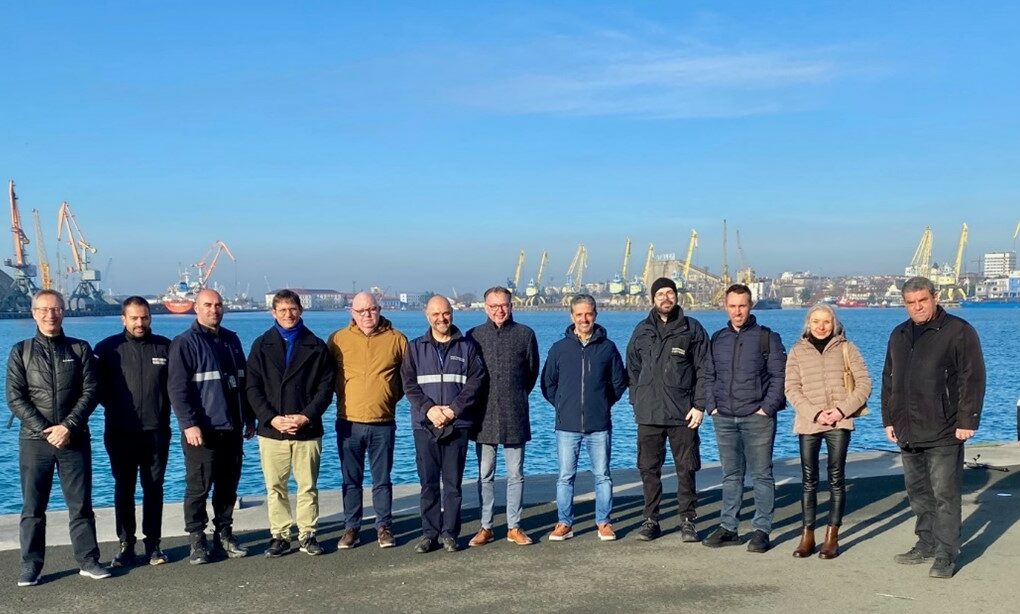
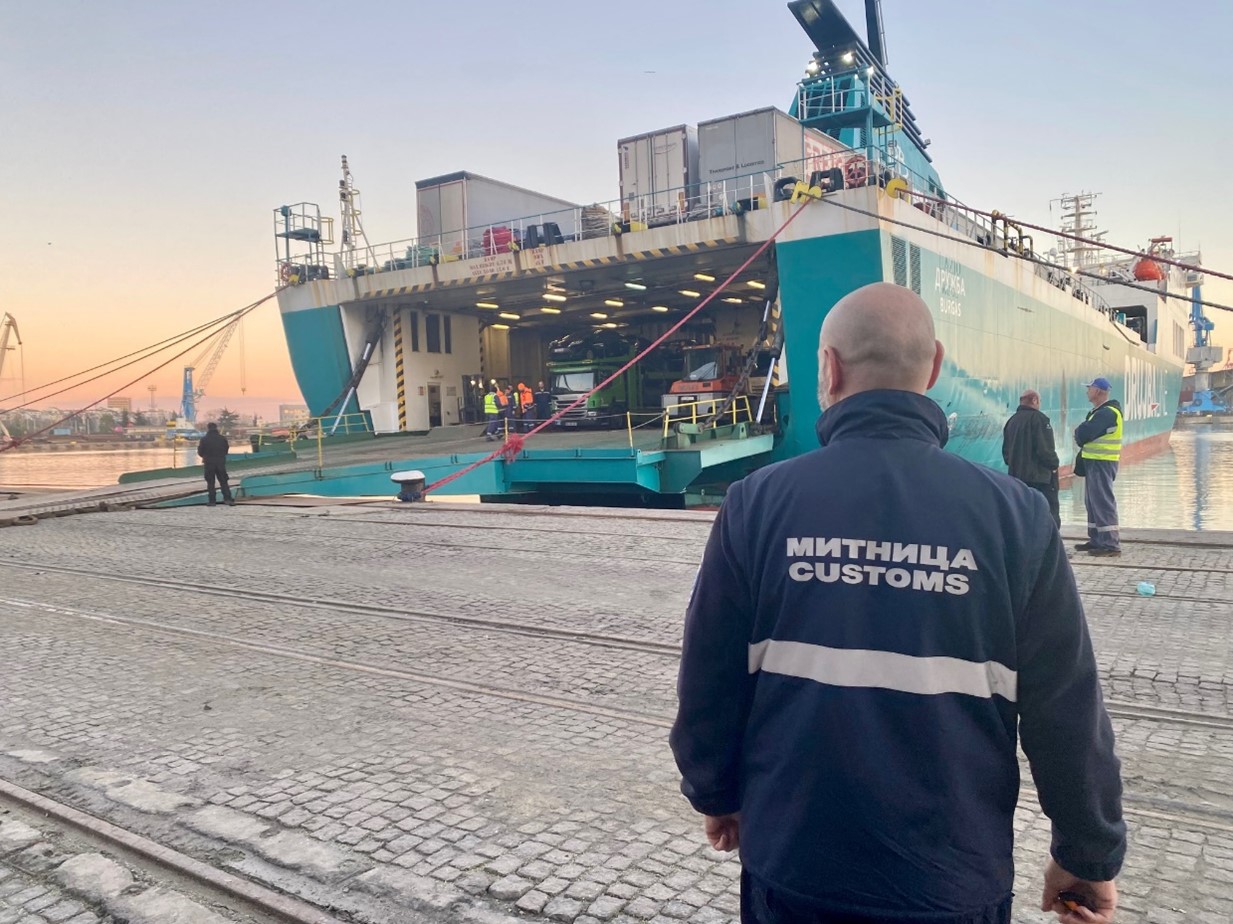
During their visit to the Bulgarian national public port, Burgas, EUCAB experts from the Maritime Unit advised the Bulgarian Customs colleagues on ways to improve the efficiency and effectiveness of their control activities, while also learning from the latter’s experience.
Besides containers and bulk goods, Burgas also receives ferries. But, contrary to Helsingborg, the ferry at Burgas connects with a third country (Georgia), which raises specific challenges. Another characteristic of the port of Burgas is the fact that it entails the most important oil terminal for Bulgaria.
The visits as a method towards a diagnostic tool:
During the two visits, the Maritime Unit worked on the draft of the “diagnostic tool”. This instrument is being developed with the aim to evaluate the relative performance of maritime BCPs (Border Crossing Points). It is expected to be used on a regular basis by the future EU Customs Authority (EUCA).
Next stop – the port of Dublin
In 2026, the port visits will continue, in February, with the port of Dublin (Ireland), the largest freight and passenger port in Ireland.
Several other ports in the EU will follow in the course of the year.
Stay tuned for updates on future EUCAB Maritime Unit’s visits to EU ports…