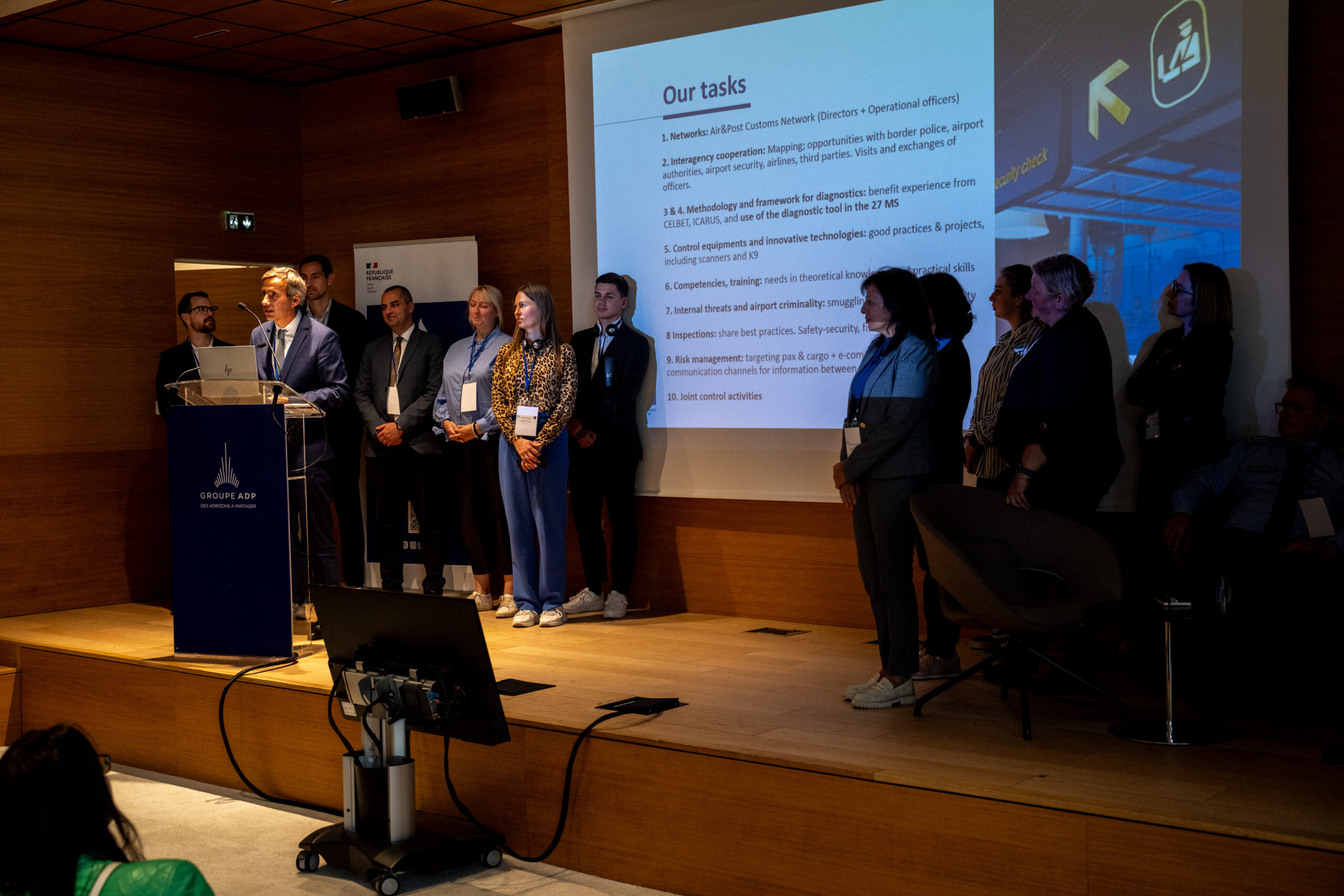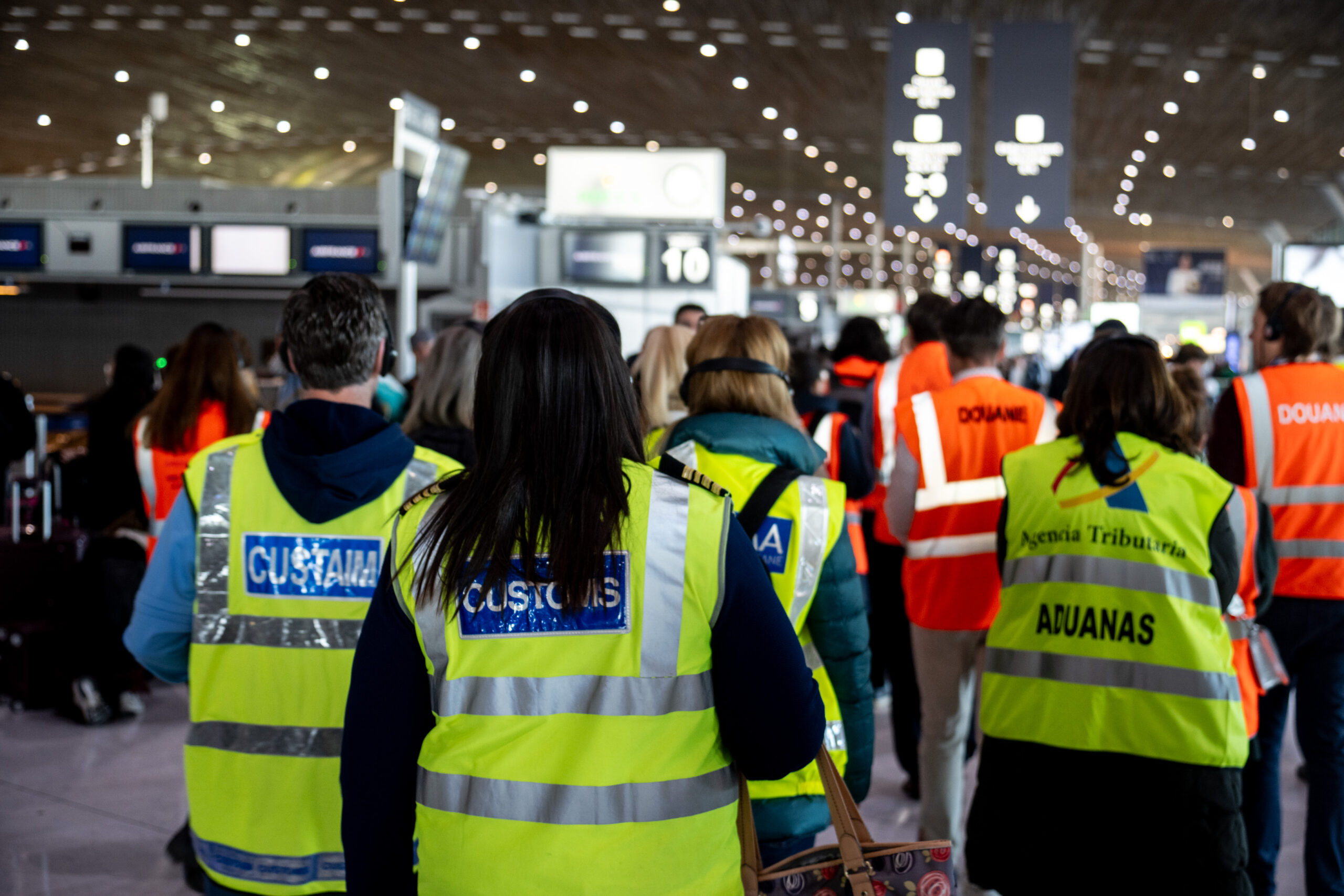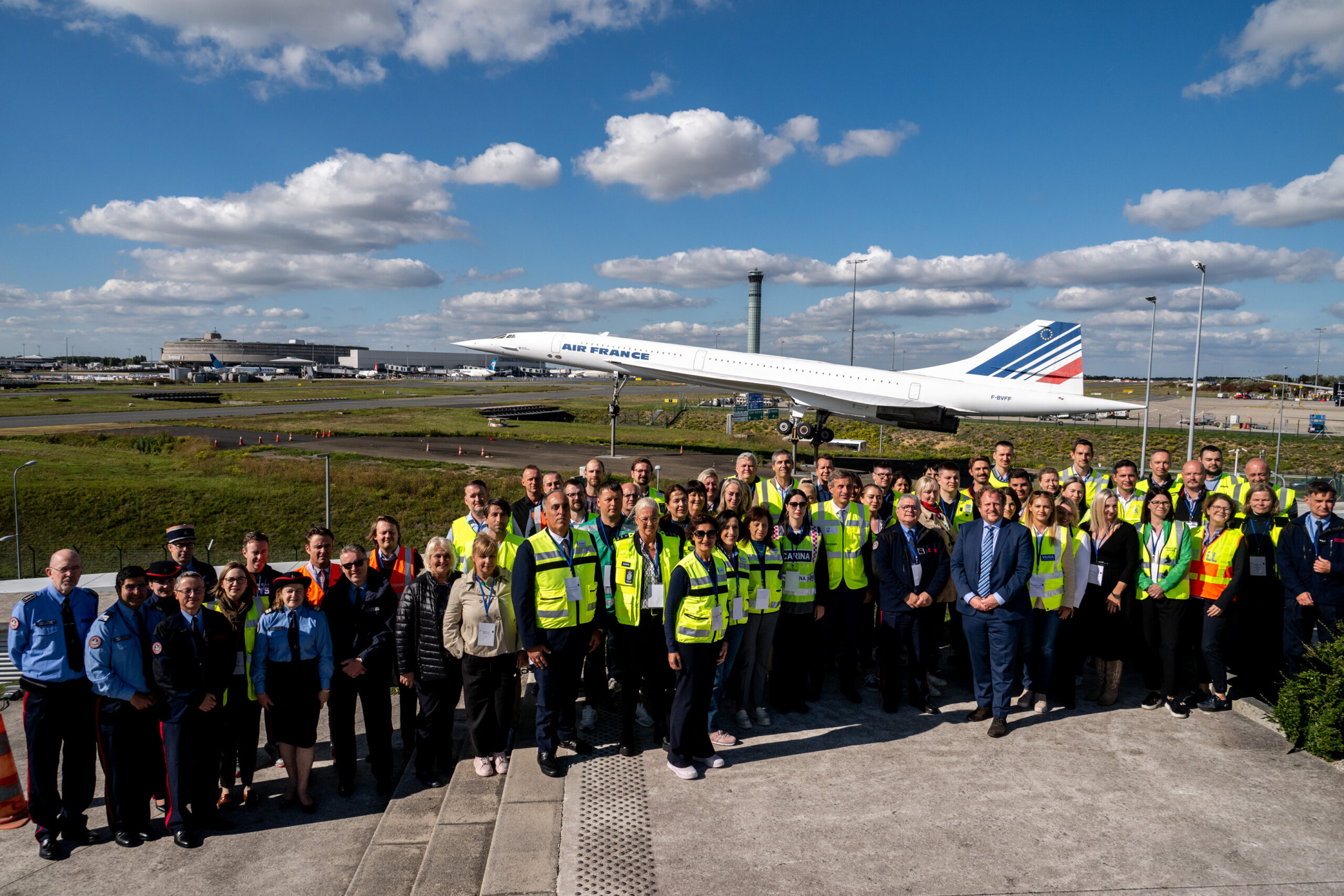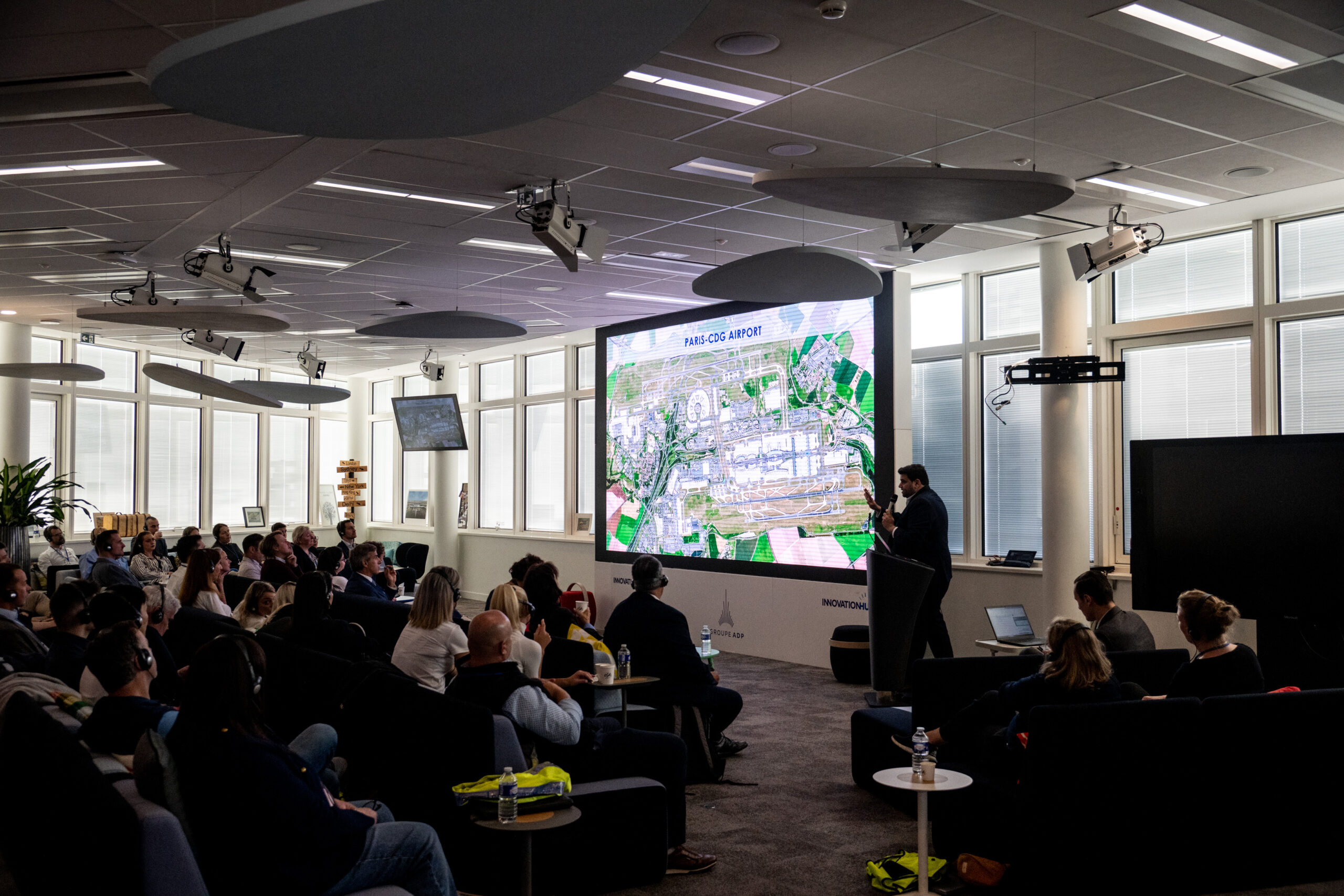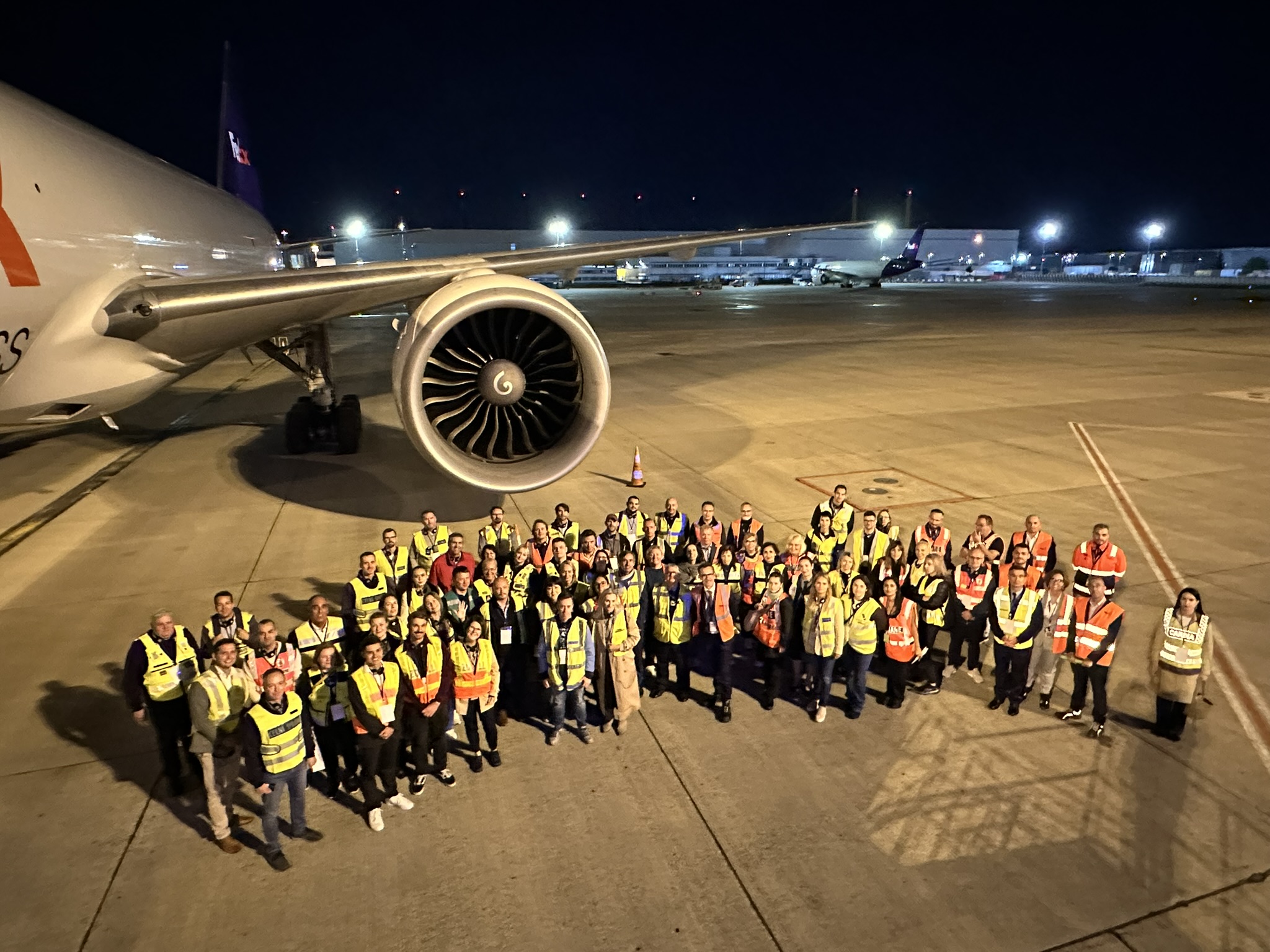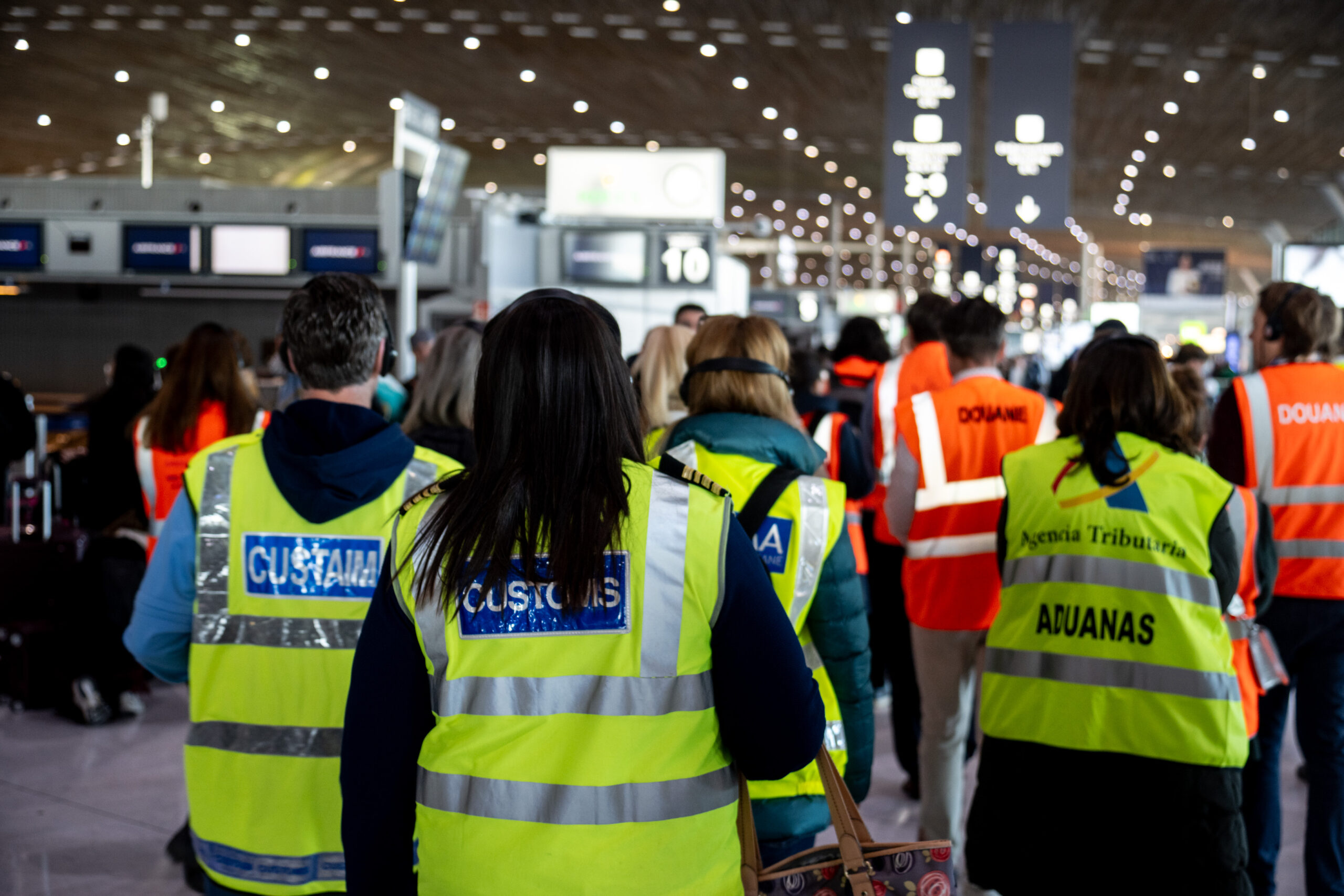

Customs Directors from 27 Member States meet at Roissy-Charles-de-Gaulle Airport to create the first Network of its kind under EUCAB’s framework.
From September 30th to October 1st, 2025, EUCAB’s Air & Post Unit convened at Roissy-Charles-de-Gaulle Airport the inaugural meeting of what will now constitute the Network of Airport Customs Directors and the Network of Airport Operational Customs Officers.
The 27 EU Member States answered to the call of this unique opportunity to expand the EU-wide operational cooperation, thus improving the operational efficiency of all European customs at airports by tackling collectively major common interest issues, related to passenger flow management, cargo, express courier & e-commerce controls.
The challenges are shared, and the expectations are high
Participants shared an overview of the main airport issues (logistics, customs, security, etc.), presented by the various stakeholders.
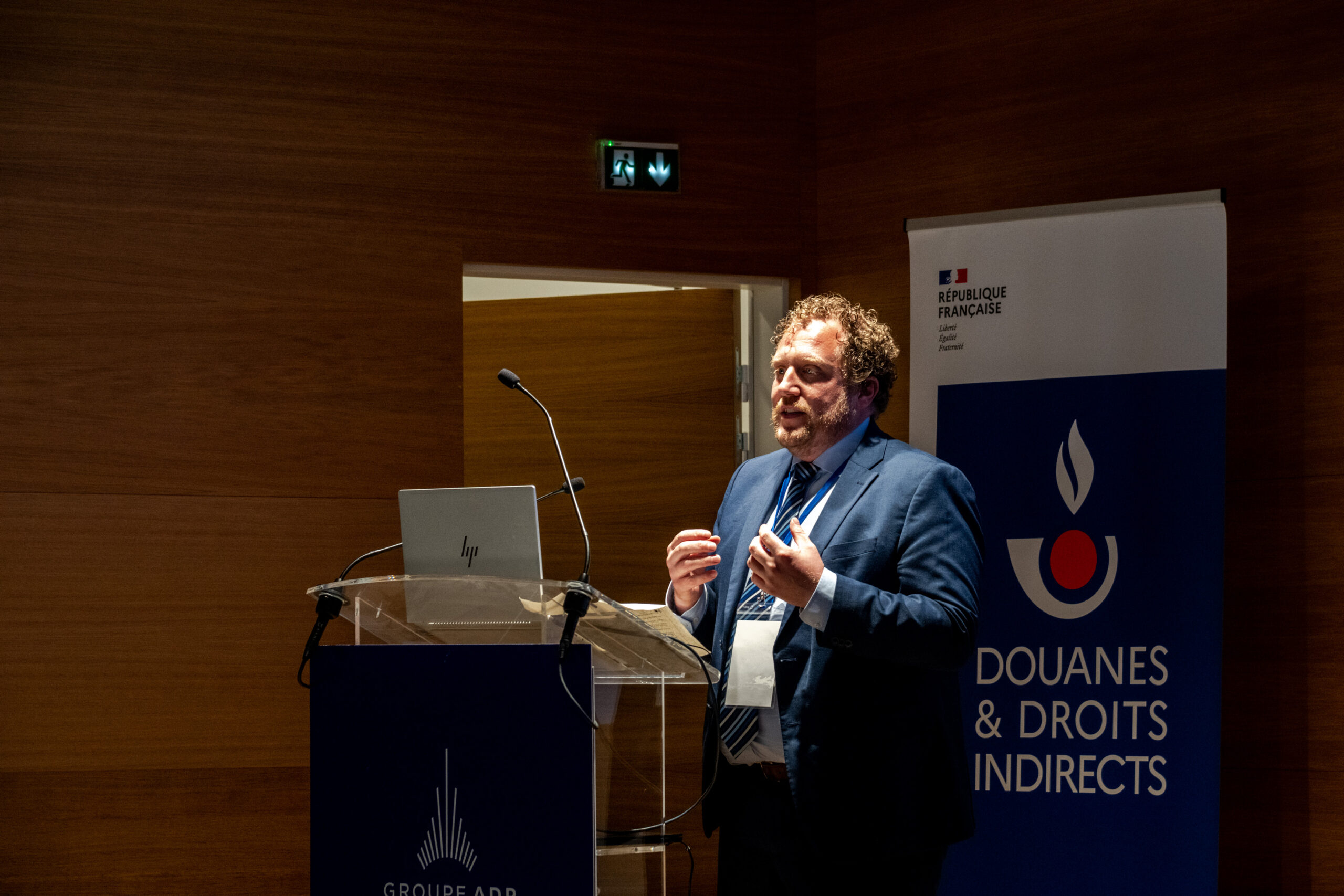
Xavier Pascual, Leader of EUCAB’s Air&Post Unit, acknowledged that today’s challenges go far beyond each country’s borders, and highlighted the need for connection and expertise sharing to meet them. Networks as engines of EU-wide collaboration are of a paramount importance, he added, as illustrated by the attendance of representatives from airports and postal hubs from all EU Member States.
Martin Reuter, Head of EUCAB, insisted on the originality of this cooperation framework. It makes it possible for experts to engage in middle and long-term analysis and innovation, providing solutions tuned to Member States’ needs and objectives. It is an operational oriented cooperation, hence the need to bring together all Member States, but also intent on creating strong expertise hubs on vectors relevant for customs administrations including the Air&Post one.
The network as a lift to advance further than each could travel alone
Different stakeholders stressed that customs are as strong as their weakest link. In their welcoming speeches, Gilbert Beltran, French Customs Inter-regional Director for Paris Airports, the State representative in charge of airport safety and security, as well as spokespersons from Paris Airports Authority and Air France company, highlighted the need for cooperation not only between customs but also with airport public and private partners. Legal traffic flows facilitation, controls efficiency, and intelligence gathering require collaboration and trust. Participants agreed on the need for setting up comprehensive “airport communities” to meet future challenges and to improve crisis response.
Main priorities on the agenda
Cross-presentations from EUCAB’s experts and customs airport directors focused on some operational good practices or projects such as:
- Remote customs inspections of express and postal cargo parcels at Budapest Airport;
- Fighting airport crime at Amsterdam-Schiphol Airport;
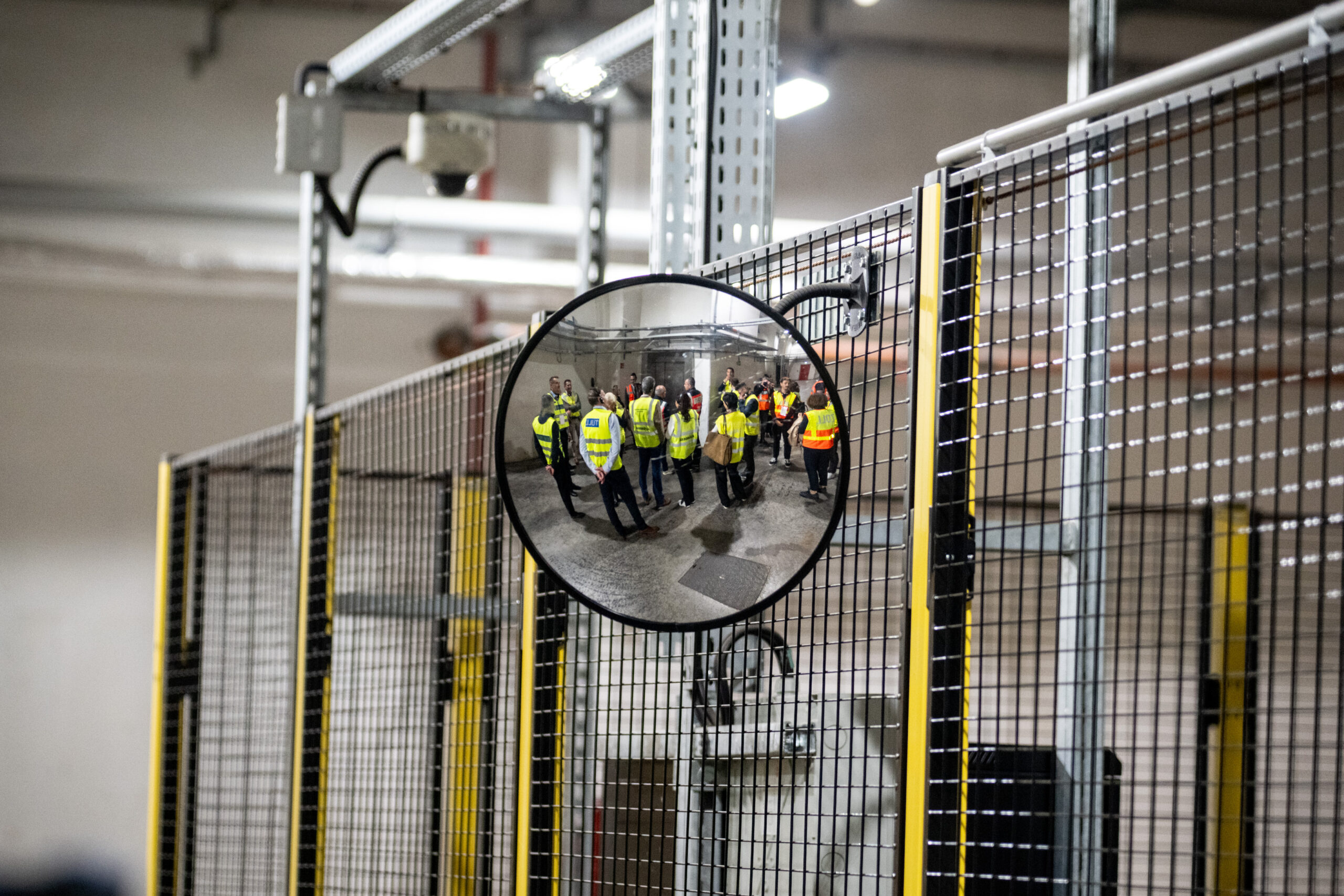
- 100% scanning program for postal parcels with a drug detection module at Wissous and Roissy Airport.
Training and equipment in focus
In terms of training, EUCAB is conducting a survey on training courses needed by airport customs but not available, such as ground searches of aircraft.
In terms of equipment, EUCAB’s aims are to define a minimum European standard of equipment for all airports, and to identify the most effective or innovative equipment.
A Pragmatical and Field-Oriented Roadmap
The participants agreed on priorities for the future:
- Encourage and structure exchange of information by customs at airports and postal platforms;
- Boost collaboration on e-commerce issues;
- Benchmark approaches to common interest issues and create target subgroups towards more efficient forms of collaboration between customs and their airport partners.
The six units of EUCAB’s expert team manage 13 networks focused on priority cooperation areas on customs issues at the EU level.
Paris Airports are France’s most important border, with nearly 100 million travelers and 136 million import declarations. The Paris-Charles de Gaulle airport zone covers an area that represents 1/3 of the surface area of Paris and concentrates almost the entire spectrum of customs fraud and security issues, against a backdrop of competition between airport platforms, and the intensification of e-commerce flows.